What to Pack If You're Stranded in the Wilderness: 3 Survival Essentials
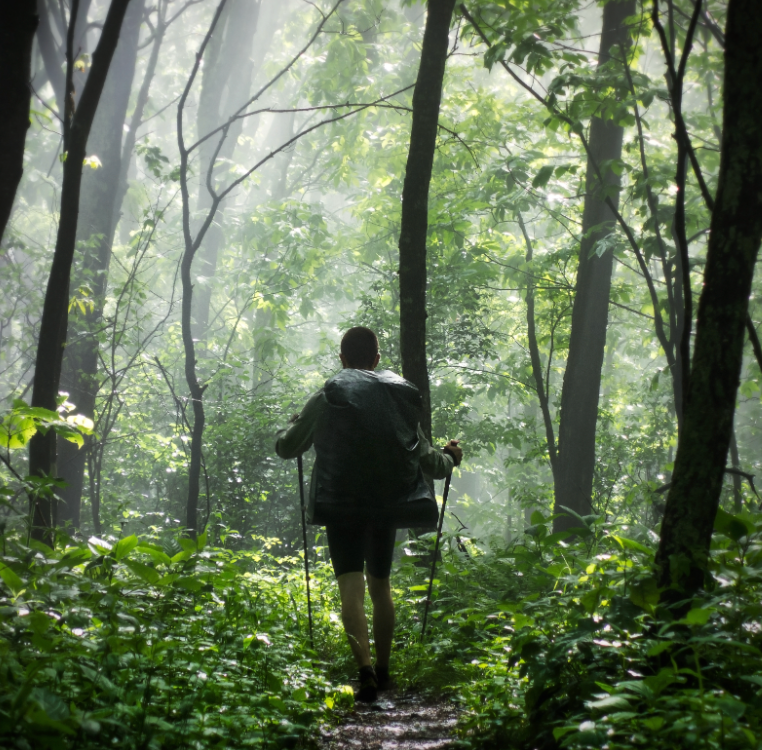
If you're stranded in the wilderness, three categories of gear matter most: a way to make water safe to drink, a way to protect yourself from exposure, and a way to stabilize an injury until help arrives. Everything else is secondary to those three.
The 3 Priorities When You're Stranded
Search-and-rescue timelines vary, and weather can turn fast. That's why preparedness guidance from FEMA/Ready.gov recommends being able to sustain yourself for at least 72 hours without outside help. Water, shelter, and first aid are the three areas where that self-sufficiency actually gets tested.
Water: Access to a Safe Source Comes First
Dehydration sets in faster than most people expect, and untreated water from streams or lakes can carry bacteria and parasites that turn a survival situation into a medical one. A compact water filter, like the Greenlife Survival Emergency Direct Drinking Water Filter, lets you drink directly from natural water sources without boiling or purification tablets. It's lightweight enough to carry every time and simple enough to use under stress.
A common guideline for planning water needs is about one gallon per person, per day, whether you're carrying it or filtering it as you go. If you lose your trail during a storm, a filter turns any nearby stream or lake into a safe water source instead of a risk.
Shelter: Protecting Against Exposure
Exposure to cold, wind, and rain can be just as dangerous as lack of water, especially once the sun goes down and temperatures drop. An Emergency Bivy Bag Sleeping Bag Blanket is built for exactly this: it's compact, quick to deploy, and provides a barrier against the elements while you rest or wait for rescue. Many are made in high-visibility colors like bright orange, which also helps rescuers spot your position if you need to be located, such as during a wildfire evacuation or after getting turned around on a remote trail.
First Aid: Stabilizing an Injury
Falls, sprains, and fractures are some of the most common ways a routine hike or camping trip turns into an emergency. An Emergency First Aid Splint Roll gives you a lightweight, flexible way to stabilize a fracture or dislocation until professional medical help is available. A waterproof, washable splint roll holds up to repeated use and stays sanitary, making it a practical addition to any kit rather than a one-time-use item.
Basic splinting buys time and limits further injury. It is not a substitute for professional medical care, so getting the injured person to help should still be the priority once they're stabilized.
Building a Complete Wilderness Survival Kit
Water, shelter, and first aid are the foundation, but a well-rounded kit builds on top of them. If you're starting from scratch, the Complete 72 Hour Fully Loaded Bug Out Bag is built around this same 72-hour standard and takes the guesswork out of assembling one. You can also browse the full Bug Out Gear collection to build a kit piece by piece, or check our guide on what a 72-hour kit is and what it should include for a deeper breakdown.
Whatever kit you build, check and rotate your supplies periodically, twice a year is a common rule of thumb, so filters, splints, and shelter gear are ready when you actually need them.
Frequently Asked Questions
What are the most important items to carry if you get stranded in the wilderness?
The three highest priorities are a way to make water safe to drink, a way to shelter from wind, rain, and cold, and basic first aid supplies to stabilize an injury. These address the most immediate risks: dehydration, exposure, and untreated injury.
How much water do I need in a survival situation?
A commonly cited guideline is about one gallon of water per person, per day. Carrying a compact water filter lets you meet that need from natural sources like streams and lakes without carrying all of it upfront.
How long should a basic survival kit be able to sustain me?
FEMA/Ready.gov guidance recommends being able to sustain yourself for at least 72 hours without outside help, which is why 72 hours is the standard baseline for most survival and bug out kits.
Why is shelter such a high priority when you're stranded?
Exposure to cold, wind, and rain can be dangerous quickly, especially overnight or during a sudden storm. A compact emergency shelter like a bivy bag protects your body temperature and, in bright colors, can help rescuers locate you.