What Is a 72-Hour Kit? (And Everything That Goes In One)
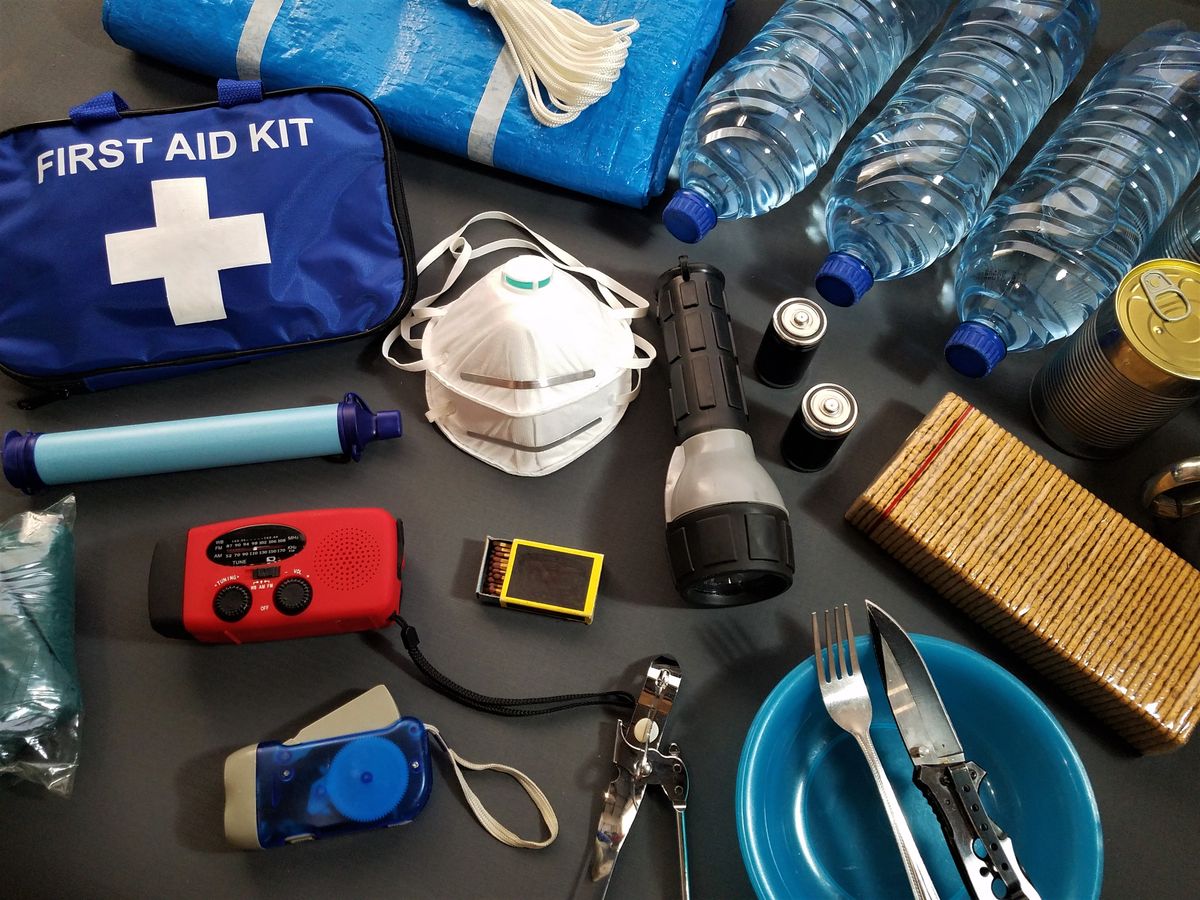
A 72-hour kit is a collection of emergency supplies that lets one person survive for three days (72 hours) without outside help — no running water, power, stores, or emergency services. It exists because 72 hours is roughly how long it can take for help and resupply to reach you after a major disaster, which is why agencies like FEMA and the Red Cross recommend every household keep at least three days of supplies on hand. A complete kit covers water, food, first aid, shelter, warmth, light, and communication for each person.
Why 72 hours?
After a major disaster — earthquake, hurricane, ice storm, regional flood — roads close, power drops, and emergency responders are overwhelmed. History and agency guidance both point to the same window: it commonly takes up to three days for organized help, supply chains, and utilities to begin reaching affected people. A 72-hour kit is designed to bridge exactly that gap, keeping you self-sufficient until the situation stabilizes. It's the baseline of emergency preparedness — many preppers extend beyond it, but 72 hours is where everyone should start.
72-hour kit vs. bug out bag: are they the same?
They overlap heavily. "72-hour kit" describes the duration of supplies; "bug out bag" describes a portable 72-hour kit in a backpack you can grab and carry. A 72-hour kit for your home might be stored in a bin, while a bug out bag is the wearable version for evacuation. In practice a good bug out bag is a 72-hour kit. If you're comparing terms, see go bag vs. get-home bag vs. bug out bag.
What goes in a 72-hour kit?
Build around seven categories, sized for each person in your household.
Water
One gallon (about 4 liters) per person per day is the standard — so 3 gallons per person for 72 hours — covering drinking and basic hygiene. If you can't store that much, pack less water plus a filter and purification tablets to make more.
Food
At least 2,000 calories per person per day of no-cook, non-perishable food: emergency ration bars, freeze-dried meals, canned goods, nut butter, jerky. That's 6,000+ calories per person for three days.
First aid
A stocked first aid kit plus trauma supplies (tourniquet, hemostatic gauze), a 3–7 day supply of personal medications, and copies of prescriptions. Learn more about the trauma side in what is an IFAK.
Shelter & warmth
Emergency blankets or bivy, a tarp or tent, rain poncho, and warm layers. Protection from the elements is a top priority in cold or wet conditions.
Light & power
Headlamp, backup flashlight, spare batteries, and a power bank to keep a phone alive.
Communication & navigation
A battery or hand-crank NOAA weather radio, a paper map, a compass, an emergency whistle, and a written contact list.
Tools & documents
A knife, multitool, fire starters, duct tape, work gloves, cash in small bills, and waterproof copies of ID and insurance documents.
For the item-by-item version with quantities, use our complete bug out bag checklist.
How many 72-hour kits does a family need?
Scale supplies per person — a family of four needs four people's worth of water, food, and first aid. Many families keep one large kit at home plus a portable bug out bag per person for evacuation. Don't forget kits for pets, infants (formula, diapers), and anyone with special medical needs.
How to maintain your kit
- Check every 6 months — tie it to daylight-saving time changes.
- Rotate food and water before expiration.
- Refresh medications and replace batteries.
- Update clothing sizes and seasonal layers.
- Re-confirm documents (IDs, insurance) are current.
The easiest way to get a 72-hour kit
Assembling a full kit from scratch takes research and time — and it's easy to leave gaps. Our Complete 72-Hour Bug Out Bag is a ready-to-grab 72-hour kit for one person, pre-packed with first aid, food, water purification, shelter, fire, and light in a durable tactical backpack. It's the fastest way to go from unprepared to a proven three-day kit in the closet.
Frequently asked questions
How much water is in a 72-hour kit?
Plan for one gallon (about 4 liters) per person per day — 3 gallons per person for 72 hours. If storage is limited, carry a filter and purification tablets to produce more.
Is a 72-hour kit enough?
It's the recommended minimum. 72 hours covers most short-term disasters; many people build toward one to two weeks of supplies once their 72-hour base is solid.
Does FEMA recommend a 72-hour kit?
Yes. FEMA and the American Red Cross both advise keeping at least three days of emergency supplies per person for evacuation, and more at home when possible.