How to Prepare for a Fire: Escape Plan, Go-Bag, and What to Do When One Starts
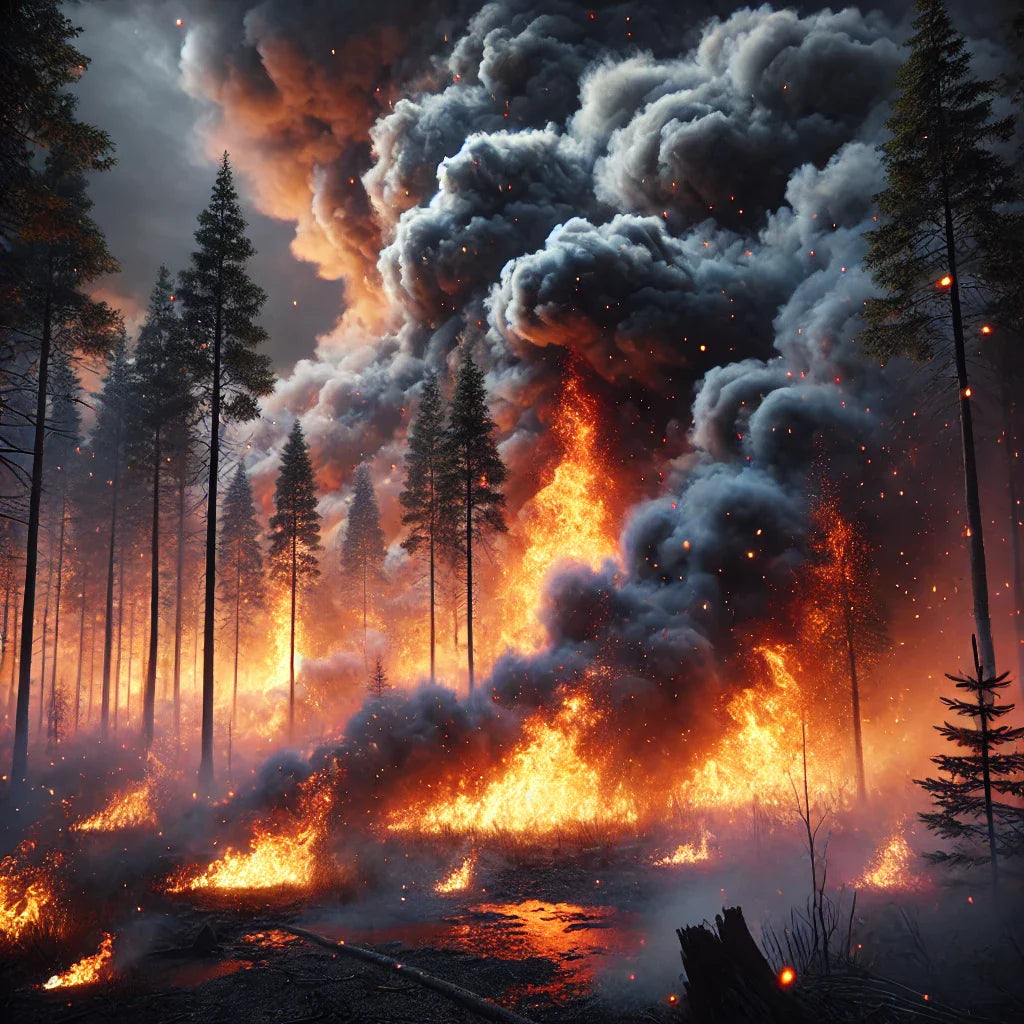
Surviving a house fire or wildfire comes down to three things: a rehearsed escape plan, a go-bag you can grab in seconds, and moving fast once you know a fire has started. Fire can double in size in roughly a minute, so preparation has to happen before the fire starts, not during it.
How to Build a Home Fire Escape Plan
A fire escape plan only works if everyone in the household knows it cold. Build yours around these basics:
- Identify two exits from every room, in case one is blocked by smoke or flames.
- Pick a designated meeting spot outside the home, away from the structure, where everyone regroups after getting out.
- Run regular drills, at least twice a year, so the plan is muscle memory instead of a piece of paper.
- Install and test smoke alarms, and make sure everyone in the household recognizes the sound.
- Sign up for local emergency alerts and weather notifications, especially if you live in a wildfire-prone area, so you get as much advance warning as possible.
If wildfire risk applies to your area, add a second layer of planning: know at least two routes out of your neighborhood. A single blocked road can turn a routine evacuation into a life-threatening delay.
What to Pack in a Fire Evacuation Go-Bag
A go-bag, also called a bug out bag, is what lets you leave in minutes instead of scrambling to gather essentials while a fire closes in. At minimum, yours should include:
- A flashlight, plus backup batteries or a hand-crank option.
- Respiratory protection, such as an N95 mask, to reduce smoke inhalation risk.
- A basic first aid kit.
- Copies of important documents (ID, insurance, medical information).
- Non-perishable food and water for several days.
Rather than assembling all of this piece by piece, many households start with a pre-built kit like our Complete 72 Hour Fully Loaded Bug Out Bag and customize it from there. You can browse the full range in our bug out gear collection, and for a room-by-room packing breakdown, see our 72-hour bug out bag checklist.
Real-World Lessons From Past Fires
Studying how real fires unfolded shows why planning ahead matters so much.
The Camp Fire, Paradise, California (November 2018)
The Camp Fire swept through Paradise, California in November 2018, destroying most of the town and killing more than 85 people. Many residents had only minutes to evacuate. The households that fared best generally shared two things: a go-bag that was already packed, and familiarity with more than one route out of the area.
Worcester, Massachusetts Warehouse Fire (1999)
In 1999, six firefighters died in a warehouse fire in Worcester, Massachusetts after becoming disoriented in dense smoke. It's a stark reminder that smoke inhalation and lost visibility, not flames themselves, are often what turns a fire deadly, even for trained professionals.
What to Do When a Fire Starts
Act fast, don't stop to gather things
Fire can double in size in as little as a minute. Don't waste time collecting belongings or trying to fight a blaze that's already grown beyond a small, contained flame. Get yourself and your family out first.
Stay low and protect your airway
Smoke rises, so staying close to the floor reduces your exposure and keeps visibility higher as you move toward an exit. Smoke inhalation is widely considered the leading cause of death in fires, which is one reason a mask in your go-bag is worth having, even for a short evacuation.
Stay calm and follow your plan
Panic leads to poor decisions. A rehearsed plan lets you act on habit instead of trying to think through a crisis in real time, which is exactly why drills matter.
Call 911 once you're safe
Alert emergency services as soon as you've reached a safe location, and give them as much detail as you can, including whether anyone may still be inside.
What to Do After a Fire
- Document the damage. Photos and video of your property help with insurance claims.
- Seek temporary shelter through local disaster relief organizations, such as the Red Cross, if your home isn't livable.
- Review your plan. Once things settle, walk through what worked and what didn't, then update your escape plan and go-bag accordingly.
Fire preparedness isn't about living in fear. It's about knowing that if a fire starts, your plan and your gear are already in place, so you can focus on moving fast instead of figuring it out on the fly.
Frequently Asked Questions
How fast can a fire spread?
A fire can double in size in roughly a minute, which is why immediate action, not delay, is the priority once one starts.
What should be in a fire evacuation go-bag?
At minimum: a flashlight, respiratory protection like an N95 mask, a first aid kit, copies of important documents, and several days of non-perishable food and water.
What's the leading cause of death in fires?
Smoke inhalation is widely considered the leading cause of death in fires, which is why staying low and protecting your airway matters as much as reaching an exit quickly.
How often should I check my fire preparedness supplies?
Check and rotate food, water, batteries, and other perishable go-bag items on a regular basis, commonly twice a year, so everything is ready when you need it.