Bug Out Bag Checklist: The Complete 72-Hour List (2026)
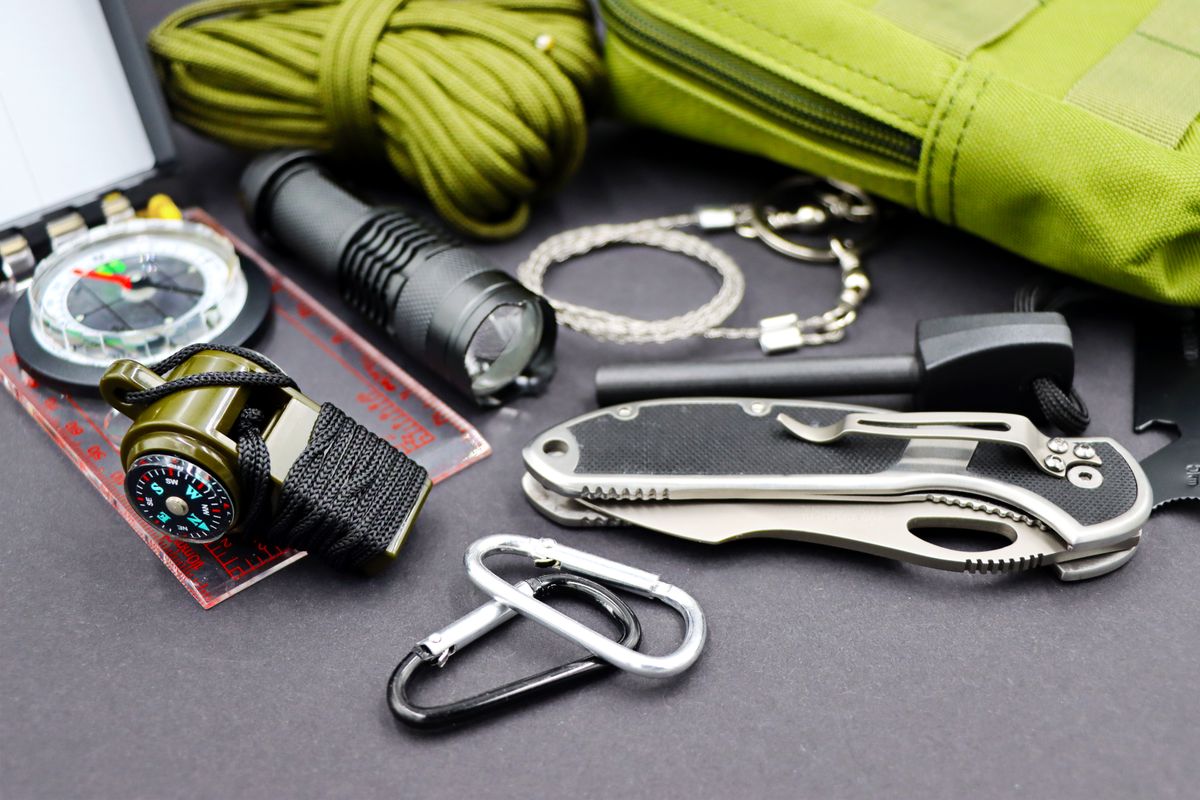
A bug out bag checklist covers eight core categories: water, food, shelter, first aid, fire, light and navigation, tools and self-defense, and important documents. For one person to survive 72 hours, you need roughly 3 liters of water plus purification, 6,000+ calories of no-cook food, emergency shelter, an IFAK-level first aid kit, redundant fire starters, a headlamp, a multitool and knife, and copies of key documents — all carried in a durable 30–55L backpack.
Below is the complete, category-by-category checklist, with target quantities for one adult and notes on why each item earns its place. Print it, check off what you own, and fill the gaps.
What is a bug out bag?
A bug out bag (also called a go bag, BOB, or 72-hour kit) is a pre-packed backpack holding everything one person needs to survive for at least 72 hours after leaving home in an emergency — a wildfire evacuation, hurricane, flood, extended power outage, or any situation where you have minutes, not hours, to get out. The goal is simple: grab it and go, without stopping to think about what to pack. If you want the full background, see our guide to what a 72-hour kit is and everything that goes in one.
The complete bug out bag checklist
1. Water & hydration
Water is your #1 priority — you can survive about 3 days without it. Plan for 1 liter per person per day, plus a way to make more.
- 3 liters of stored water (collapsible bottles or pouches)
- Water filter (hollow-fiber straw or pump, rated to ~0.1 micron)
- Water purification tablets as backup
- Metal single-wall bottle or canteen (lets you boil water)
2. Food & cooking
Aim for at least 2,000 calories per day of food that needs no cooking and no refrigeration. For 72 hours that's 6,000+ calories per person.
- Calorie-dense emergency food bars or freeze-dried meals
- Ready-to-eat items: nut butter packets, jerky, trail mix, tuna pouches
- Compact stove + fuel (optional, if packing meals that need hot water)
- Spork and a small metal cup or pot
3. Shelter & warmth
Exposure kills faster than hunger or thirst. Protect yourself from wind, rain, and cold first.
- Emergency bivy or mylar survival blanket
- Tarp or lightweight tent + paracord (550 cord, 50 ft)
- Rain poncho
- Change of weather-appropriate clothing, wool socks, gloves, hat
4. First aid & trauma
Carry more than a booboo kit. An IFAK (Individual First Aid Kit) adds the trauma gear that actually saves lives.
- Basic first aid: bandages, gauze, antiseptic, tape, blister care
- Tourniquet + hemostatic gauze (trauma / severe bleeding)
- Personal medications (7-day supply) and copies of prescriptions
- Nitrile gloves, trauma shears, emergency mylar blanket
5. Fire
Fire gives you warmth, water purification, cooking, and signaling. Always carry redundancy — two is one, one is none.
- Ferro rod (works wet)
- Stormproof lighter or waterproof matches
- Tinder (cotton + petroleum jelly, or commercial fire tabs)
6. Light & navigation
- Headlamp (hands-free) + spare batteries
- Backup flashlight
- Baseplate compass
- Paper map of your local area and evacuation routes
- Emergency whistle for signaling
7. Tools & self-defense
- Fixed-blade or sturdy folding knife
- Multitool
- Duct tape (flat-wound, ~10 ft)
- Work gloves
- Personal defense item appropriate to your training and local laws
8. Documents, cash & comms
- Copies of ID, insurance, medical info in a waterproof bag
- $100–200 in small bills
- Fully charged power bank + charging cable
- Emergency contact list on paper
- Battery or hand-crank AM/FM/NOAA radio
The bag itself
Everything above needs a pack that can carry it comfortably. Look for a durable 30–55L backpack with padded straps, a hip belt, and MOLLE webbing so you can expand or attach gear. It should fit your torso and let you move quickly — this is survival gear, not a suitcase.
How much should a bug out bag weigh?
Aim to keep a loaded bug out bag under 20% of your body weight — for most adults that's 20–35 lbs. If it's too heavy to walk several miles with, you'll be tempted to leave it behind, which defeats the purpose. Prioritize water, first aid, and shelter; trim redundancy elsewhere.
Common bug out bag mistakes
- Overpacking. A 40-lb bag you can't carry is worse than a 25-lb bag you can.
- Never testing it. Wear it. Set up the shelter. Filter water once before you have to.
- Forgetting to rotate. Check food, water, batteries, and medications every 6 months.
- No documents or cash. In a real evacuation these matter as much as gear.
- Buying gear you don't know how to use. Skills beat gadgets.
Build it yourself or start with a pre-packed kit
You can assemble this checklist piece by piece, or start from a complete kit and customize. If you'd rather not risk gaps, our Complete 72-Hour Bug Out Bag comes pre-packed with the first aid, food, water purification, shelter, fire, and light essentials above — built and tested by people who prep, so you're covered from day one. Not sure which route fits you? Read build vs. buy: should you assemble a bug out bag or buy one pre-made?
Frequently asked questions
How many days should a bug out bag last?
The standard is 72 hours (3 days) — the window emergency agencies like FEMA recommend you be able to survive on your own before help or resupply arrives.
What is the #1 most important item in a bug out bag?
Water and the means to purify more. You can go about 3 days without water, and dehydration degrades your decision-making fast in a crisis.
What's the difference between a bug out bag and a get-home bag?
A bug out bag is built to get you away from home for 72 hours; a get-home bag is a smaller kit kept in your car or office to get you back home. See our full breakdown of go bag vs. get-home bag vs. bug out bag.