Knife Tang Types Explained: Full Tang vs Partial Tang
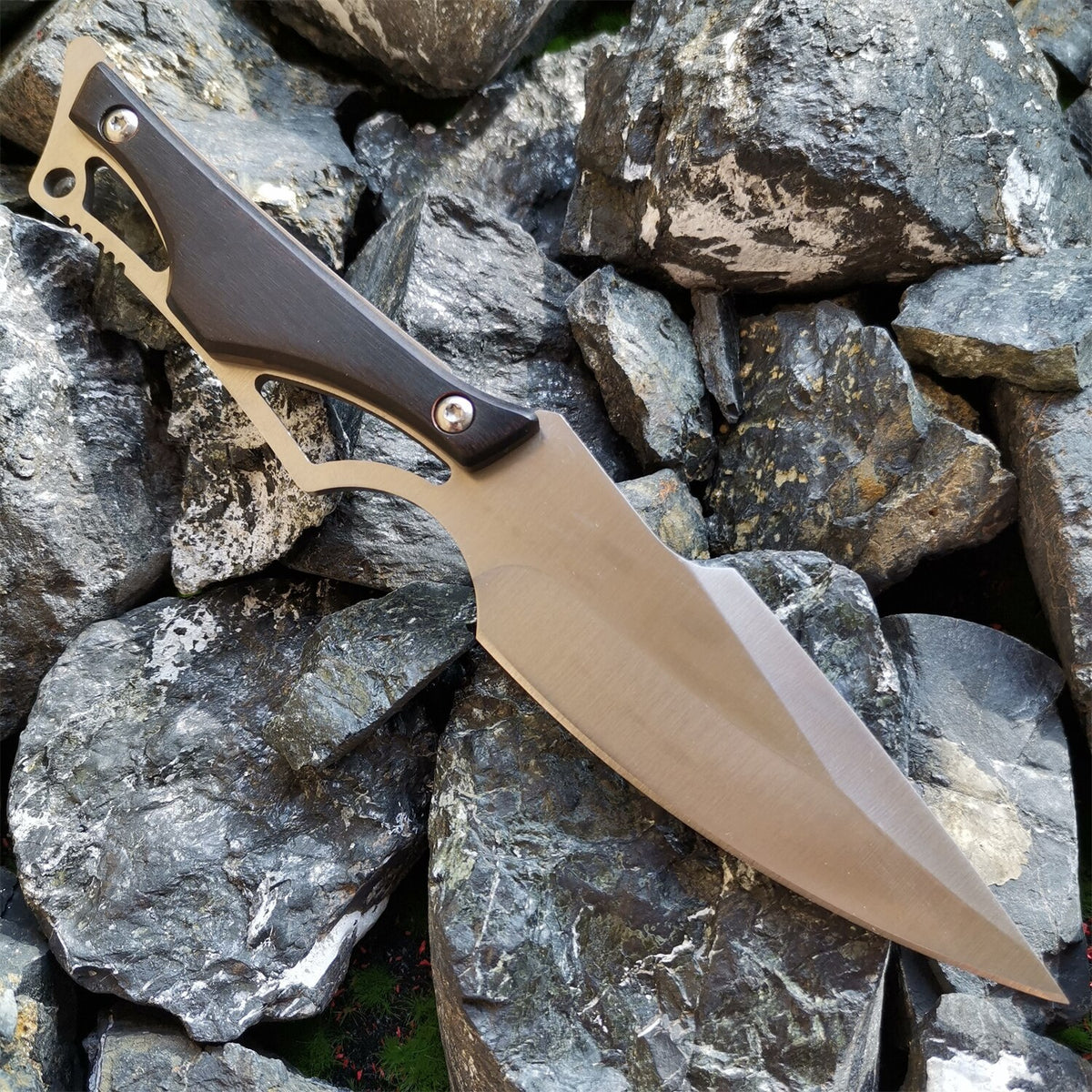
A knife's tang is the section of blade steel that extends into the handle, and its construction plays a major role in the knife's strength, balance, and durability. Full tang knives, where the steel runs the entire length of the handle in one piece, are widely regarded as the strongest and most durable option for hard use, while encapsulated, tapered, and rat tail tangs trade some strength for lighter weight or lower cost. Knowing the difference helps you pick a knife built for the job you actually need it to do.
What Is a Knife Tang?
The tang is the extension of the blade that runs into the knife's handle, providing the foundation the grip is built around. It's not a separate part, it's the same piece of steel as the blade, just continued inward. Because the tang is what the handle is attached to (or built around), its shape and length are what determine how much stress a knife can take before it flexes, cracks, or separates from the handle.
Types of Knife Tangs Explained
Not every knife is built the same way under the handle scales. Here are the four tang types you'll run into most often.
Full Tang
A full tang knife has a visible continuation of the blade steel running the entire length and width of the handle. Because the blade and tang are one solid piece of metal, full tang knives are generally regarded as the strongest option, with balanced weight and high durability. Some full tang designs include lightening holes, tapers, or slots to cut weight, but the knife retains its structural strength.
Encapsulated Tang
An encapsulated tang is a substantial tang that's fully enclosed by the handle material, so it isn't visible from the outside. This construction is used in well-known field and military knives such as the Ka-Bar and the M7 bayonet. Despite a common misconception that "hidden" means "weaker," encapsulated tangs have held up well under stress testing and are trusted in demanding field use.
Tapered Tang
The tapered tang has a long history in Viking and northern European knifemaking. The blade steel narrows as it enters the grip and is held in place by pressure fit, wedging, or pinning. It's a lighter-duty design than a full tang, but it has proven adequate for everyday cutting tasks for hundreds of years.
Rat Tail Tang
A rat tail tang is a thin, narrow rod of steel, often welded or threaded onto the base of the blade and set into the handle with epoxy or resin. It's the construction method most commonly used to keep manufacturing costs down. Rat tail tang knives aren't built for heavy-duty or hard-use tasks and are best treated as light-use or display pieces rather than field tools.
How to Choose the Right Tang for Your Needs
Tang type isn't the only thing that matters in a knife, but it's a useful first filter. A full tang knife is a solid default if you want a single blade that can take on splitting, prying-adjacent tasks (within reason), and repeated hard use without worrying about the handle separating from the blade. Encapsulated and tapered tang knives shouldn't be dismissed outright either. Many have proven reliable for their intended use, especially when weight savings or a specific handle design matter more than maximum toughness.
A dependable fixed-blade knife is a common item on most bug out bag checklists, and tang construction is one of the first things worth checking before you count on any knife for 72 hours of field use. If you're building or restocking a kit, our Complete 72 Hour Fully Loaded Bug Out Bag and full bug out gear collection are good places to see how core tools fit into a complete loadout.
Whatever tang type you choose, remember a knife is still a cutting tool, not a pry bar. Using it outside its intended purpose is the fastest way to damage even a well-built full tang blade.
Frequently Asked Questions
What is the strongest type of knife tang?
Full tang knives, where the blade steel runs the entire length and width of the handle as one piece, are generally regarded as the strongest and most durable option, particularly for hard-use tasks.
What is a partial tang knife?
A partial tang knife is any design where the blade steel does not run the full length and width of the handle. This includes encapsulated, tapered, and rat tail tangs, which trade some strength for lighter weight or lower manufacturing cost compared to a full tang.
Is an encapsulated tang as strong as a full tang?
Encapsulated tangs, used in knives like the Ka-Bar and M7 bayonet, are substantial tangs fully enclosed by the handle material. Despite the misconception that a hidden tang means a weaker knife, encapsulated tangs have held up well in stress testing and are trusted in military and field use.
What is a rat tail tang used for?
A rat tail tang is a thin, narrow rod-shaped extension of the blade, typically set into the handle with epoxy or resin. It's common in lower-cost knives and is not intended for heavy-duty or hard-use tasks.