Why Prepping Matters and Where to Start
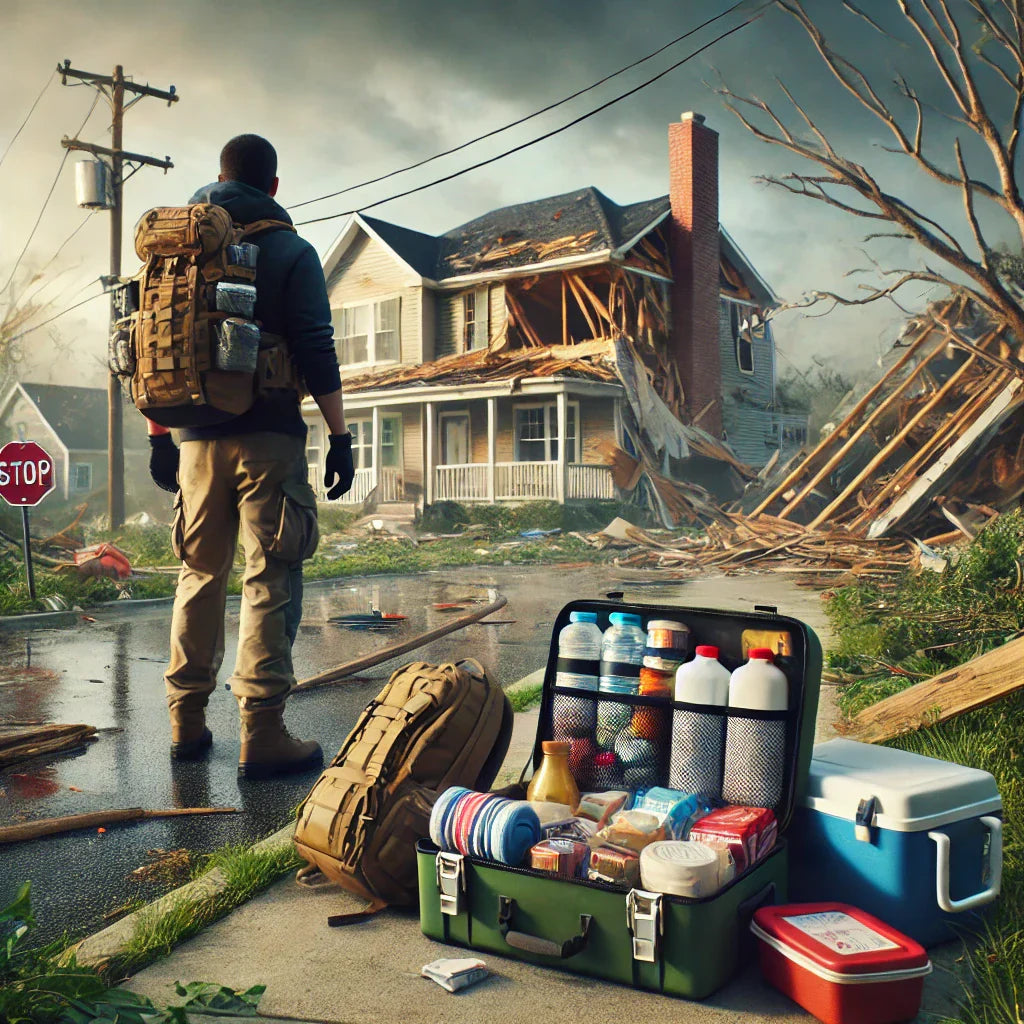
Prepping matters because disasters, power outages, and other emergencies rarely give advance warning, and outside help can take days to arrive. FEMA and Ready.gov recommend every household be able to sustain itself for at least 72 hours without outside assistance. Building a basic kit now, rather than after an emergency starts, is what determines whether you spend those first critical hours staying safe or scrambling for supplies.
The Real Risks That Make Preparedness Necessary
Most people assume disasters happen to someone else, until they don't. The situations that catch households unprepared usually fall into a few categories:
- Natural disasters. Earthquakes, hurricanes, tornadoes, wildfires, and winter storms can cut off power, water, and road access for days at a time.
- Grid failures. Power outages can come from severe weather, equipment failure, or overloaded systems. No electricity means no lights, refrigeration, or communication as usual.
- Supply chain and economic disruption. Shortages or disruptions can make ordinary staples hard to find right when demand spikes.
- Personal emergencies. A car breakdown in bad weather, getting lost on a trail, or an extended blackout can turn into a short-term survival situation for one person or one family, no widespread disaster required.
None of these require a worst-case scenario to matter. Most preparedness situations are local, temporary, and resolved within a few days, which is exactly why the 72-hour standard exists.
What Happens When You're Not Prepared
When an emergency hits, the difference between a stressful few days and a genuinely dangerous situation usually comes down to what was ready beforehand. Households without a plan or supplies on hand end up trying to buy essentials at the worst possible time, when store shelves are already thinning out and everyone else has the same idea.
Emergency services can also be stretched thin or temporarily unreachable during a widespread event. That's the reasoning behind FEMA's 72-hour guidance: in a large-scale disaster, responders may not be able to reach every household immediately, so each home needs enough on hand to cover the gap.
The 72-Hour Standard: What to Have on Hand
A basic emergency kit, often called a bug out bag or 72-hour kit, is built around a few core categories:
- Water. A commonly cited guideline is about one gallon per person, per day, for drinking and basic hygiene.
- Food. Non-perishable, calorie-dense food that needs little or no preparation.
- First aid supplies. A basic kit for treating minor injuries until proper medical care is available.
- Tools and shelter items. A light source, a way to start a fire, and basic protection from the elements.
Our Complete 72 Hour Fully Loaded Bug Out Bag is built around this same standard, so you're not sourcing each category separately. If you'd rather build your own kit piece by piece, our guide to what belongs in a 72-hour kit walks through the reasoning behind each category in more detail.
Prepping Is Planning, Not Paranoia
Being prepared isn't about expecting the worst, it's about not being caught off guard by the ordinary disruptions that happen to real households every year. A useful way to think about it: you don't wait until your house is on fire to buy a fire extinguisher. The same logic applies here. The time to put a kit together is before you need it, not while the situation is already unfolding.
A solid starting point for any household includes:
- A 72-hour emergency kit with water, food, first aid, and basic survival tools
- A simple emergency plan covering exit routes and a family meeting point
- Basic skills like starting a fire, purifying water, and administering first aid
- A habit of checking and rotating supplies periodically, such as twice a year
Browse our full bug out gear collection to see what a complete setup looks like.
Frequently Asked Questions
Why does emergency preparedness matter?
Disasters and outages happen with little to no warning, and outside help isn't always immediate. Having basic supplies ready ahead of time means you can handle the first hours or days of an emergency without depending on stores or emergency services that may be overwhelmed.
How many days of supplies should I have on hand?
FEMA and Ready.gov guidance recommends households be able to sustain themselves for at least 72 hours without outside help. That's the basis for the "72-hour kit" standard used throughout emergency preparedness.
How much water should I store per person?
A commonly cited guideline is about one gallon of water per person, per day, to cover both drinking and basic hygiene needs.
What's the difference between prepping and being paranoid?
Prepping is proactive planning for ordinary, well-documented risks like storms, outages, and supply disruptions. It's the same mindset behind keeping a fire extinguisher or a spare tire on hand, preparation for likely scenarios, not a reaction to fear.