How to Secure Your Emergency Supplies From Theft During a Crisis
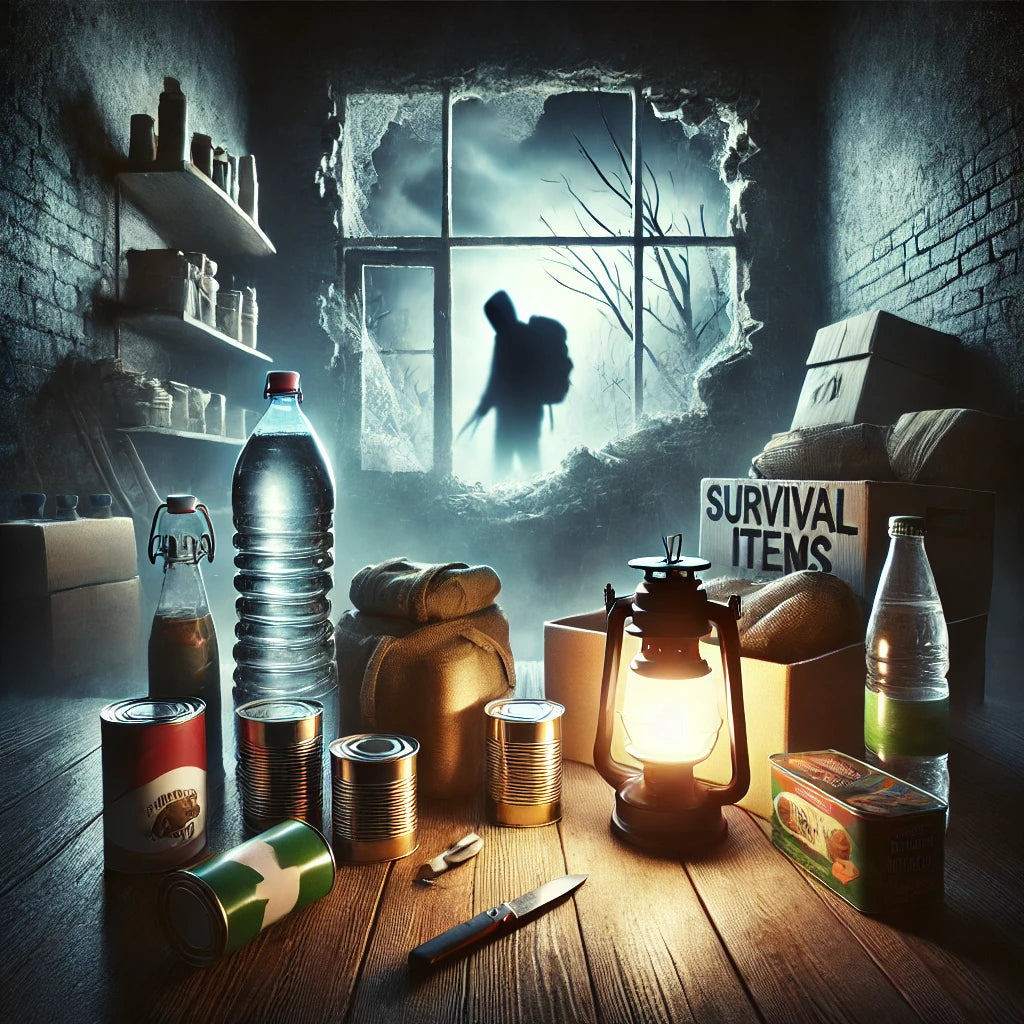
Water, food, medicine, fuel, firearms and ammunition, batteries, and tools are the supplies most likely to be targeted first when a crisis disrupts normal access to stores and services. Securing these items now, before disaster strikes, means splitting your stockpile across multiple locations, using discreet or locked storage, and avoiding obvious signs of a large stockpile. Below is a breakdown of why each item is at risk and practical ways to store it securely.
Why Emergency Supplies Become Targets During a Crisis
When normal supply chains break down, whether from a natural disaster, extended power outage, or civil disruption, the items that vanish first from store shelves are the same items that become attractive to desperate people. FEMA and Ready.gov recommend that every household be able to sustain itself for at least 72 hours without outside help. The flip side of that advice is that anyone who did not prepare is looking for supplies somewhere, and a visible stockpile at your home can make you a target. Smart storage is as important as smart stockpiling.
The 7 Supplies Most Likely to Be Stolen First
1. Water
Why it's targeted: Clean water is non-negotiable for survival, and municipal water can become contaminated or cut off entirely during a crisis. A commonly cited guideline is about one gallon of water per person, per day, for drinking and basic sanitation.
- Split your storage. Keep water in more than one location, such as a basement, garage, and closet, instead of one large visible supply.
- Use unmarked containers. Food-grade jugs or opaque storage bins draw less attention than stacked cases of bottled water.
- Add a filtration backup. A portable water filter is compact, easy to store discreetly, and extends whatever water you have on hand.
2. Food
Why it's targeted: Canned goods, freeze-dried meals, and bulk staples like rice and beans are among the first non-perishables to disappear when stores empty out.
- Keep a small decoy supply visible in the kitchen while storing the bulk of your food in less obvious spots, like under furniture or in labeled storage bins that don't stand out.
- Seal and rotate. Vacuum-sealed, watertight storage protects food from spoilage and pests, and checking and rotating stock periodically (twice a year is a common rule of thumb) keeps it usable.
3. Medicine and First Aid Supplies
Why it's targeted: Prescription medications, over-the-counter pain relievers, and basic first aid supplies become critical once pharmacies and clinics are inaccessible.
- Use discreet storage. A locked box or a designated, non-obvious spot keeps medications out of sight.
- Check expiration dates regularly and replace anything that's aged out, especially medications your household depends on daily.
4. Fuel
Why it's targeted: Gasoline, propane, and other fuels power vehicles, generators, and heating equipment, all of which become essential during extended outages.
- Lock it down. Locking fuel caps on vehicles and storage tanks deter casual theft.
- Store in smaller, separated containers rather than one large visible supply, and always follow proper safety guidelines for storing fuel to avoid fire or ventilation hazards.
5. Firearms and Ammunition
Why it's targeted: Firearms are viewed as both protection and a means of securing other resources, which makes them a high-value target for theft.
- Use a rated gun safe. A wall-mounted or floor safe keeps firearms secured and out of casual view.
- Store firearms and ammunition separately. Keeping them in different secured locations reduces the chance that a single break-in results in losing both.
6. Batteries and Power Sources
Why it's targeted: Power outages spike demand for batteries, power banks, and solar chargers to keep phones, radios, and lights running.
- Store batteries out of plain sight, in labeled bins that don't advertise their contents.
- Add renewable options. Solar-powered and hand-crank chargers reduce your dependence on a finite battery stockpile.
7. Tools
Why it's targeted: Multi-tools, axes, and saws are critical for repairs and self-reliance tasks, making them a practical target when normal supply chains are down.
- Split your tool storage between indoor and outdoor locations, including a locked toolbox or a secured spot in a vehicle.
- Store tools in unmarked containers rather than a clearly labeled toolbox that signals what's inside.
How to Store Emergency Supplies Securely, Not Just Stockpile Them
The theme across all seven categories is the same: diversify where you store supplies, avoid obviously labeling what's valuable, and use locked or discreet storage wherever possible. A single, centralized stockpile is convenient for you but also convenient for anyone looking to take it. Spreading supplies across a few secured locations, and keeping your preparedness efforts low-profile, is one of the simplest ways to protect what you've built.
If you're starting or rounding out your emergency supplies, the Complete 72 Hour Fully Loaded Bug Out Bag is built around the same essentials covered above, or browse the full Bug Out Gear collection to build a kit suited to your household.
Frequently Asked Questions
What emergency supplies are most likely to be stolen during a crisis?
Water, food, medicine, fuel, firearms and ammunition, batteries and power sources, and tools tend to be targeted first, since they're essential and often in short supply once normal store access is disrupted.
How much water should I store per person?
A commonly cited guideline is about one gallon of water per person, per day, to cover drinking and basic sanitation needs.
How long should my household be prepared to be self-sufficient?
FEMA and Ready.gov guidance recommends households be able to sustain themselves for at least 72 hours without outside help, which is a useful baseline for how much of each supply category to store.
Should firearms and ammunition be stored together?
Many preppers store firearms and ammunition separately in secured locations, which reduces the risk that a single theft or break-in results in losing access to both at once.