What Global Conflicts Teach Us About Emergency Preparedness at Home
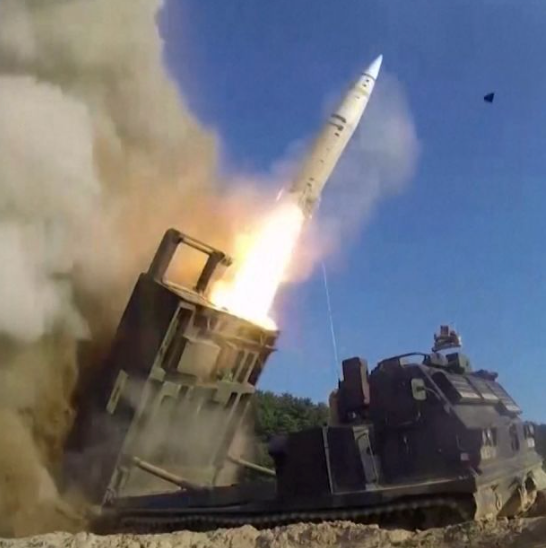
International conflicts and rapid shifts in foreign policy are a reminder that disruptions to fuel, supply chains, and daily life can happen with little warning. That's why Ready.gov guidance recommends every household keep enough supplies on hand to be self-sufficient for at least 72 hours, no matter what causes the disruption.
The Preparedness Lesson Behind the Headlines
In 2024, the Biden administration expanded the range of weapons systems it authorized for Ukraine's use, one more development in the broader Russia-Ukraine conflict that began in 2022. Whatever your view of the geopolitics, stories like this share a common thread for anyone focused on home readiness. Instability in one part of the world can still ripple into fuel prices, supply chains, and everyday routines elsewhere.
This isn't a reason for alarm. It's a reason to treat preparedness as an ongoing habit rather than a reaction to any single headline.
Why Geopolitical Instability Belongs in Your Preparedness Planning
Most household emergency plans are built around natural disasters: hurricanes, wildfires, winter storms. Those are still the most common reasons people activate their supplies. But a well-built kit doesn't care what caused the disruption. Whether it's a regional power outage, a shipping delay, or a stretch of economic uncertainty tied to global events, the basic need stays the same: water, food, first aid, and a way to function without outside help for a few days.
Preparedness experts generally advise against trying to predict which specific event will affect your household next. Instead, the goal is building a baseline of readiness that covers a wide range of scenarios at once.
Building a 72-Hour Kit for Any Disruption, Not Just Natural Disasters
A 72-hour kit is designed to be scenario-agnostic. If you want a full breakdown of what belongs in one and why that window matters, see our guide on what a 72-hour kit is and how it differs from other emergency bags.
At a minimum, a solid kit should cover:
- Water: roughly one gallon per person per day, for drinking and basic hygiene.
- Food: shelf-stable, no-cook options that cover at least three days per person.
- First aid: a basic trauma and first-aid kit, often built around IFAK (Individual First Aid Kit) principles, for treating minor injuries when help isn't immediately available.
- Power and light: a flashlight, backup batteries, or a portable power source for when the grid is unreliable.
- Documents and cash: copies of ID and important papers, plus small bills, in case electronic payments or records are temporarily unavailable.
For a complete checklist you can work through item by item, see our 72-hour bug out bag checklist.
What to Keep Ready When You Can't Control the Headlines
You can't control geopolitics, fuel markets, or how quickly a conflict on the other side of the world affects supply chains at home. What you can control is whether your household has a bag packed, water on hand, and a plan everyone understands. If you'd rather start from a kit that's already built out, our Complete 72 Hour Fully Loaded Bug Out Bag covers the core categories above in one package. You can also browse our full bug out gear collection to build or round out a kit at your own pace.
Once your kit is together, check and rotate supplies periodically (twice a year is a common rule of thumb) so food stays fresh, batteries stay charged, and the kit stays ready whenever it's actually needed.
Frequently Asked Questions
Should international conflicts change how I prepare at home?
Not dramatically. Most preparedness experts recommend building a general-purpose emergency kit that covers a wide range of disruptions rather than reacting to any single news event. International instability is simply one more reminder that disruptions can happen with little warning.
What is a 72-hour kit?
A 72-hour kit is a set of emergency supplies, typically food, water, first aid, and basic tools, sized to keep one person self-sufficient for at least three days without outside help. Ready.gov recommends this as a baseline for household emergency planning.
How much water should I store per person?
A commonly cited guideline is about one gallon of water per person per day, covering both drinking and basic hygiene needs.
How often should I check my emergency supplies?
Checking and rotating your supplies about twice a year is a common and practical habit. It keeps food from expiring, batteries charged, and any seasonal gaps in your kit up to date.