Home Perimeter Security: How to Deter Intruders and Protect Your Property
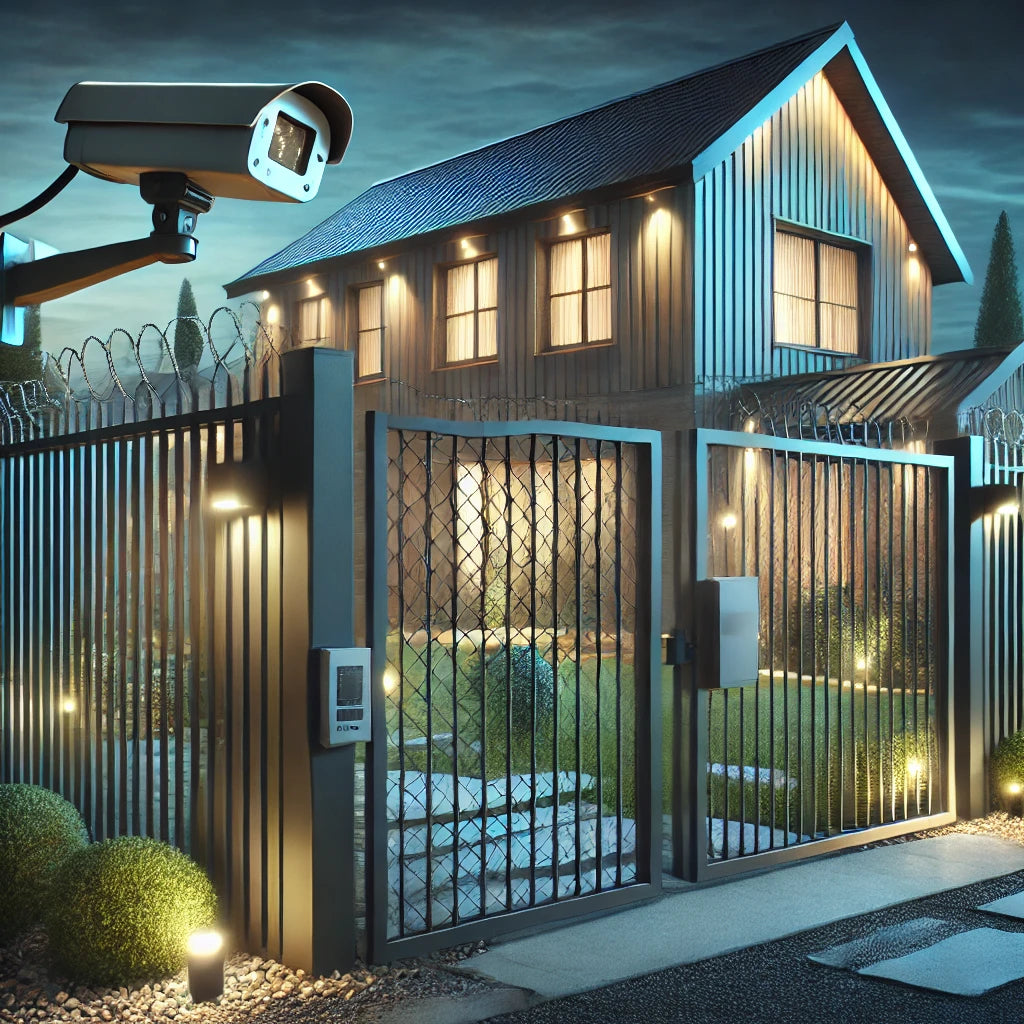
Perimeter security means layering your fencing, lighting, entry-point locks, and visibility so intruders are deterred before they ever reach your doors or windows. The most effective home perimeters combine physical barriers (fences, landscaping), light and sightlines (motion lighting, trimmed shrubs), and monitoring (cameras, alarms, or simple neighborhood awareness) rather than relying on any single measure alone.
A secure property starts at the edge of your yard, not at your front door. Most intruders are looking for the easiest available target, and a visible, well-lit, well-maintained perimeter signals that your property isn't it. Below is a practical, zone-by-zone approach to hardening your perimeter, working from the outer edge of the property inward.
Start With a Property Security Assessment
Before buying anything, walk your property like an intruder would. Understanding your weak points is the foundation of any perimeter security plan.
- Map every entry point: doors, windows, gates, and any side or rear access.
- Note overgrown shrubs, trees, or blind corners that could hide someone approaching the house.
- Flag areas with poor nighttime lighting, especially near entry points.
- Check the condition of existing locks, fences, and gate latches.
Fencing, Gates, and Physical Barriers
A fence is your first line of defense, but only if it's tall enough, sturdy enough, and actually locked.
Reinforce Fences and Gates
- Use durable materials such as wood, metal, or chain-link, sized to discourage easy climbing.
- Secure gates with heavy-duty locks rather than simple latches.
- Consider anti-climb features like angled toppers on taller fences.
Use Landscaping as a Natural Barrier
Landscaping does double duty: it can slow intruders down and remove the hiding spots they rely on.
- Plant dense, thorny shrubs (such as rose bushes, hawthorn, or holly) under windows and along fence lines.
- Use gravel on walkways near entry points, since it's harder to cross quietly.
- Keep trees and shrubs trimmed back so there are no concealed approach paths to the house.
Lighting: A Low-Cost, High-Impact Deterrent
Darkness is an intruder's best friend, and good lighting is one of the lowest-cost upgrades you can make to a perimeter.
- Install motion-activated lights around the perimeter, especially near gates and side entrances.
- Use solar-powered fixtures for continuous coverage without added wiring or electric cost.
- Prioritize dark corners, entryways, and any path someone would take to reach a door or window unseen.
Secure Doors, Windows, and Other Entry Points
Once someone is past the fence line, doors and windows are the next barrier, and they're often the weakest one.
- Install deadbolt locks on all exterior doors.
- Add window locks or security bars where appropriate, particularly on ground-floor windows.
- Apply shatter-resistant film to glass to slow down forced entry.
Home Security Technology That Adds a Layer of Monitoring
Technology won't replace the physical basics above, but it adds visibility and a record of activity around your property.
- Security cameras with remote access and motion alerts let you monitor the perimeter from anywhere.
- An alarm system that sends alerts to your phone extends coverage when you're away.
- Smart locks give you remote control over who can access specific entry points.
Low-Cost Deterrents: Signage, Decoys, and Neighborhood Awareness
Not every layer of perimeter security requires a big budget. Visible deterrents and community awareness both raise the effort required to target your property.
- Post visible security signage; even a basic alarm or "beware of dog" sign can make a property look less appealing.
- Dummy cameras can add the appearance of surveillance at low cost.
- Keep valuables like bikes, tools, and electronics out of sight, in a locked shed or garage rather than the yard.
- Build relationships with neighbors so you have extra eyes on the property and a way to report anything unusual.
Perimeter Security Is One Layer of a Bigger Preparedness Plan
A hardened perimeter is meant to deter and delay, not guarantee a threat never reaches your property. That's why it's worth treating home security as one layer of a broader preparedness plan, one that also covers what happens if you ever need to leave quickly. Having a bug out bag packed and ready, alongside your home defenses, means you're covered whether the right move is to stay and hold your ground or to go. If you haven't put one together yet, our 72-hour bug out bag checklist is a good place to start.
Frequently Asked Questions
What is the most effective perimeter security measure for a home?
No single measure works alone. The most effective approach layers a few things together: a secure fence and gate, motion-activated lighting, trimmed landscaping that removes hiding spots, and locked doors and windows. Cameras and alarms add monitoring on top of those physical basics.
How can I improve home security on a budget?
Start with the lowest-cost, highest-impact steps: trim shrubs and trees that create hiding spots, add motion-activated or solar lighting, keep valuables out of sight, and use visible signage. These changes cost little but meaningfully raise the effort required to target your property.
Does outdoor lighting actually deter intruders?
Yes. Intruders generally look for cover and low visibility. Motion-activated lighting around entry points, gates, and dark corners removes that cover and makes suspicious activity easier for you or neighbors to spot.
What should I do if my perimeter security fails and I need to evacuate?
Perimeter security reduces risk; it doesn't eliminate it. That's why it helps to have a bug out bag packed and staged in an accessible spot, so you can leave quickly if a situation ever requires it rather than scrambling to gather supplies under pressure.