Prepper Gear Essentials: Firearm Storage, Seed Vaults, and First Aid Kits
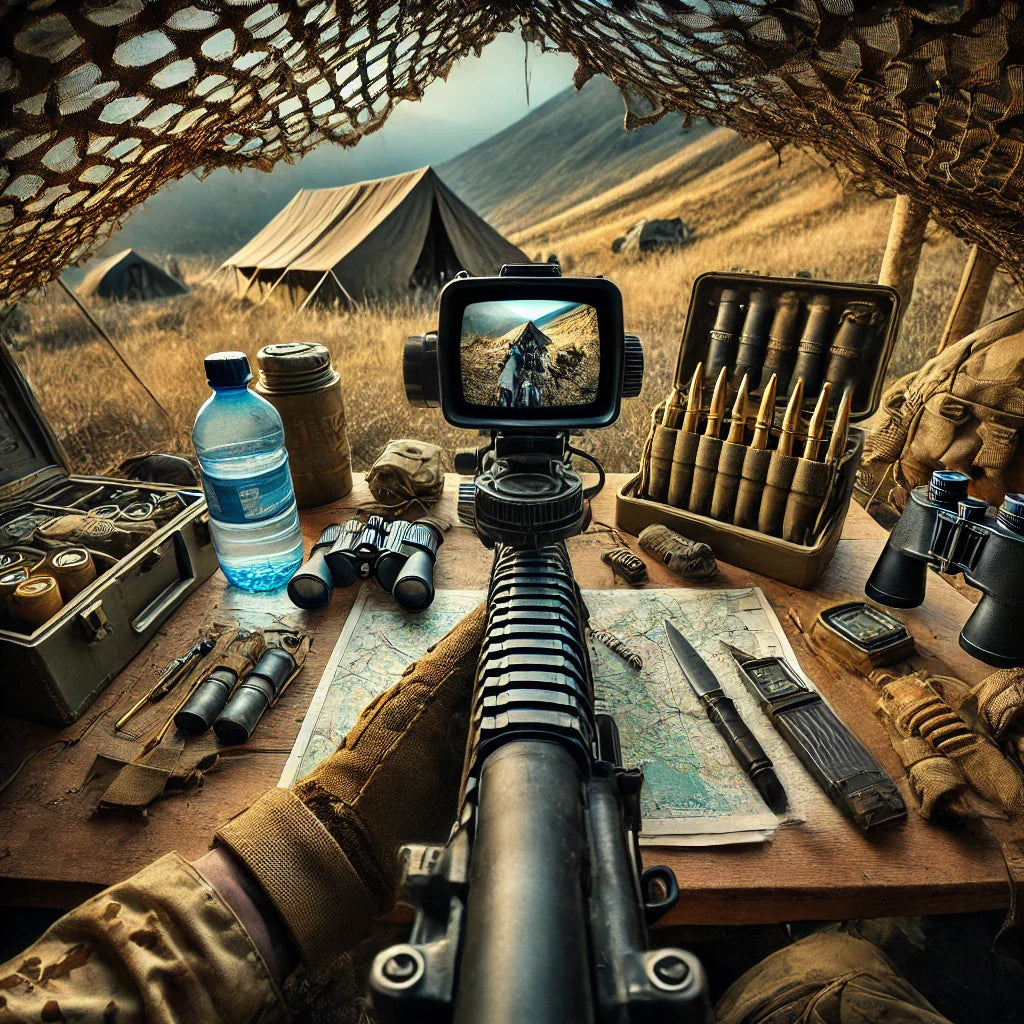
A well-rounded preparedness kit covers more than food and water. Secure firearm storage, a heirloom seed vault for long-term food security, and a fully stocked first aid kit each cover a different category of readiness: security, sustainability, and medical care. Adding these three categories to your setup rounds out a bug-out bag or home preparedness plan.
Secure, TSA-Approved Firearm Storage for Travel and Home
A hard-sided gun case is one of the most overlooked pieces of preparedness gear. A TSA-approved case built to hold up to 5 handguns and 16 magazines gives you a tough, waterproof hard shell with pre-cut foam for your firearms and silica gel canisters to prevent rust. Whether you're flying, driving, or storing firearms at home, that combination keeps contents from shifting, protects against moisture damage, and keeps everything organized in one case.
Heirloom Seed Vaults for Long-Term Food Security
Food security is a core piece of preparedness planning. A seed vault stocked with 23,000 non-GMO heirloom seeds across 144 varieties of vegetables, fruits, and herbs, stored in an air-tight, waterproof ammo can, gives you a starting point for growing your own food rather than relying only on what's already stockpiled. Because heirloom seeds can be saved and replanted season after season, a vault like this supports food independence over the long term, not just a single growing season.
A Fully Stocked First Aid Kit for Everyday Emergencies
Minor injuries and major ones both happen when you least expect them. A well-stocked first aid kit, such as a compact 275-piece kit built for your car, home, or office, should cover the basics: cuts, scrapes, burns, and sprains, plus tactical and survival tools for a wider range of situations, whether you're hiking, camping, or just commuting. If you want to go beyond a basic kit toward trauma-specific gear, see our guide on what an IFAK trauma first aid kit is and how it differs from a standard kit.
Rotating and Maintaining Your Preparedness Gear
Gear only works if it's actually ready when you need it. As a general rule, check and rotate supplies like first aid kits and seed stock at least twice a year: replace anything used, expired, or degraded, confirm silica gel or moisture-control packs still need replacing, and make sure firearm storage stays clean and dry. A few minutes twice a year is a small price for gear you can actually count on.
Building a Complete Preparedness Kit
Firearm storage, food security, and first aid each solve a different problem, and none of them replace the others. If you're starting from scratch or filling gaps in your current setup, browse our full Bug Out Gear collection or check out the Complete 72 Hour Fully Loaded Bug Out Bag as a foundation to build the rest of your kit around.
Frequently Asked Questions
Is it legal to store a firearm in a hard case for travel?
Yes. A hard-sided, lockable case like a TSA-approved gun case is the standard, lawful way to transport firearms, whether you're flying, driving, or simply storing them securely at home. Features such as pre-cut foam and moisture control (like silica gel canisters) keep firearms organized, protected from rust, and secure in transit.
What is a heirloom seed vault and why do preppers stock one?
A heirloom seed vault is a collection of non-GMO heirloom seeds stored for long-term use, often in an air-tight, waterproof container. Because heirloom seeds can be replanted season after season, a seed vault gives preppers a path toward growing their own food and building longer-term food security, not just stockpiling what's already on the shelf.
What should a basic first aid kit cover?
At minimum, a solid first aid kit should be stocked to handle common injuries like cuts, scrapes, burns, and sprains, whether it's kept in your car, at home, or in your bug-out bag. Larger kits add tactical and survival tools for a wider range of situations.
How often should I check and rotate my preparedness supplies?
As a general rule, check and rotate supplies like first aid kits and seed stock at least twice a year. Replace anything used, expired, or degraded so your gear is actually ready when you need it.