Winter Camping Setup: Shelter, Heat, and Insulation
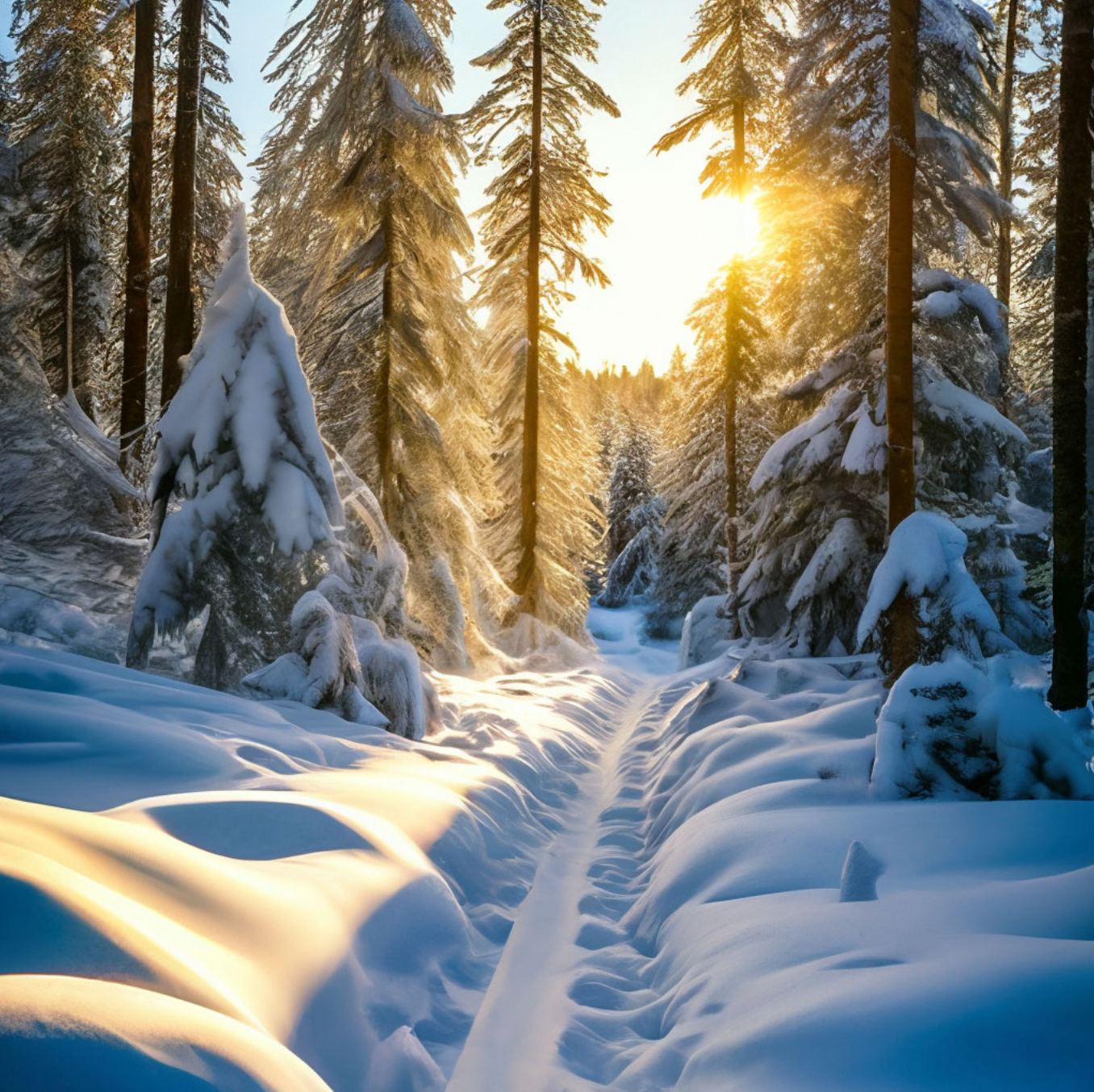
A solid winter camping setup comes down to three things: a shelter that blocks wind and traps heat, a reliable heat source you can use safely inside that shelter, and a sleeping system rated for the cold you'll actually face. Get those three right and everything else on your gear list is secondary.
Shelter: Choosing a Winter-Ready Tent
Not every tent is built for cold weather. For winter camping, look for a tent made from a durable, waterproof fabric (Oxford-weave nylon is a common choice) that can shed snow and block wind without collapsing under the load. If you plan to run a stove inside, the tent needs a proper stove jack, a reinforced, heat-resistant port in the tent wall that lets a stovepipe pass through safely. Tents built for 4-6 people give you enough room to sleep, store gear, and set up a stove without crowding the walls.
What to check before you buy
- Waterproof, wind-resistant fabric rated for cold-weather use
- A stove jack if you intend to heat the tent with a wood stove
- Enough floor space for sleepers, gear, and a stove setup
- A setup process you can manage with cold hands and limited light
Heat: Picking a Safe Heat Source for Cold Nights
A portable wood stove is a common choice for winter tent camping because it packs down small and sets up fast, whether you're ice fishing, camping, or cooking in the field. Look for a stove with a pipe heating burner designed to vent through your tent's stove jack. Ventilation is not optional: a stove should always vent outside the tent, and you should never run an unvented flame or fuel-burning heater inside an enclosed shelter, since that risks carbon monoxide buildup.
Insulation: Building a Sleeping System That Holds Heat
Your sleeping bag is what actually keeps you warm once the stove goes out. A flannel-lined bag with a heavier fill, roughly two pounds of insulation is a reasonable baseline for cold but not extreme nights. The colder the forecast, the more fill and the lower the temperature rating you should look for. Pair your bag with a sleeping pad, since cold ground pulls heat away from your body faster than cold air does.
Bringing It Together for Cold-Weather Readiness
Shelter, heat, and insulation work as a system. A great tent with no heat source, or a great stove with no way to vent it safely, leaves you exposed. Build your winter camping setup around all three before you worry about anything else.
This same shelter-heat-insulation logic applies beyond recreational camping. FEMA and Ready.gov guidance recommends households be able to sustain themselves for at least 72 hours without outside help, and cold-weather conditions make that harder if you're not equipped for them. If you're building out a kit that needs to work whether you're camping by choice or bugging out because you have to, our guide to what a 72-hour kit actually needs is a good next read, and you can browse our full bug out gear collection for packs and supplies built around that same 72-hour framework.
Frequently Asked Questions
What are the most important parts of a winter camping setup?
The core pieces are a wind- and snow-resistant shelter, a reliable heat source you can run safely inside that shelter, and a sleeping system, bag plus pad, rated for the temperatures you expect. Get those three right and the rest of your gear list falls into place.
Is it safe to use a wood stove inside a tent?
Only in a tent designed for it. The tent needs a proper stove jack so the stovepipe can vent outside, and you should always maintain ventilation. Never run an unvented flame or fuel-burning heater inside an enclosed shelter, since that risks carbon monoxide buildup.
How much sleeping bag insulation do I need for winter camping?
It depends on how cold it actually gets where you're camping. As a general rule, colder trips call for more fill and a bag rated below the lowest temperature you expect to hit. A flannel-lined bag with roughly two pounds of fill can work for moderately cold nights, but more extreme conditions call for a bag with a lower temperature rating.
How does winter camping gear relate to bug-out preparedness?
The same shelter-heat-insulation approach that keeps you comfortable on a winter camping trip is what keeps you safe if you ever need to bug out in cold weather. FEMA and Ready.gov guidance recommends being able to sustain yourself for at least 72 hours without outside help, and cold-weather readiness is part of meeting that standard.