What Is an IFAK? Trauma First-Aid Kit Essentials for Your Bug Out Bag
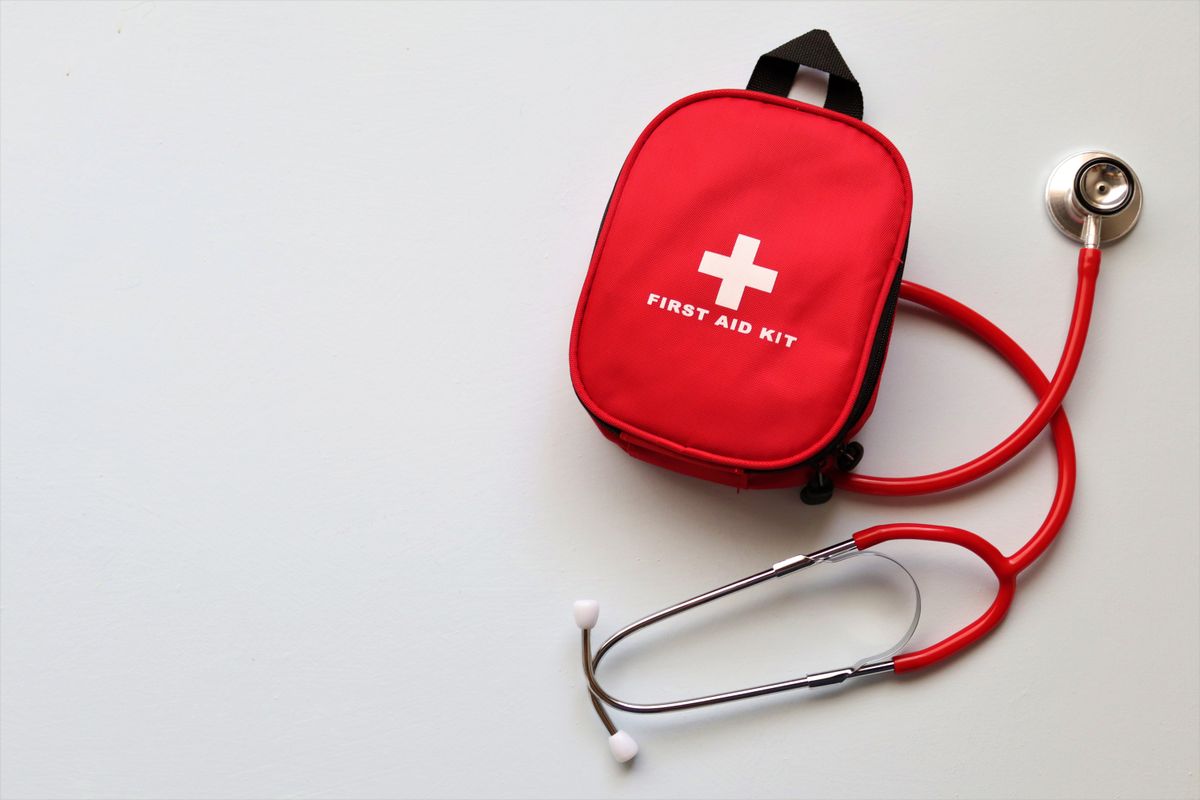
An IFAK (Individual First Aid Kit) is a compact trauma kit designed to treat life-threatening injuries — especially severe bleeding — until professional help arrives. Unlike a standard first aid kit built for minor cuts and scrapes, an IFAK focuses on major trauma: a tourniquet, hemostatic (blood-clotting) gauze, a pressure bandage, chest seals, and gloves. It's a core component of any serious bug out bag because uncontrolled bleeding can become fatal in minutes — long before EMS can reach you in a disaster.
IFAK vs. a regular first aid kit
The difference is the type of injury each is built for.
| Standard First Aid Kit | IFAK (Trauma Kit) | |
|---|---|---|
| Treats | Cuts, scrapes, blisters, burns, headaches | Severe bleeding, gunshot/blast wounds, deep lacerations |
| Key contents | Bandages, antiseptic, tape, pain relievers | Tourniquet, hemostatic gauze, pressure bandage, chest seal |
| Goal | Comfort and minor wound care | Keep someone alive until help arrives |
You want both. A first aid kit handles the everyday injuries; an IFAK handles the ones that kill. In a bug out bag, the two together cover the full spectrum — see how they fit into the bigger picture in our complete bug out bag checklist.
What does IFAK stand for?
IFAK stands for Individual First Aid Kit. The term comes from the military, where each service member carries a personal trauma kit — not to treat others, but so that their kit can be used to treat them. That "one kit per person" logic carries over to preppers and everyday carry: everyone should have their own.
What's inside an IFAK?
A well-built IFAK centers on stopping massive hemorrhage. Core contents:
- Tourniquet — the single most important trauma item; stops arterial bleeding in a limb.
- Hemostatic gauze — clotting-agent gauze for wounds you can't tourniquet (neck, groin, torso junctions).
- Pressure/emergency bandage — ("Israeli bandage") for applying direct pressure.
- Chest seals — for penetrating chest wounds.
- Nitrile gloves — protect yourself and the wound.
- Trauma shears — to cut away clothing fast.
- Compressed gauze & tape — for packing and securing wounds.
- Mylar blanket — to prevent shock and hypothermia.
The MARCH order: how trauma care is prioritized
Trained responders treat trauma in a set order, remembered by the acronym MARCH: Massive hemorrhage, Airway, Respiration, Circulation, Hypothermia. An IFAK is built to address the first and deadliest step — massive hemorrhage — because bleeding out is the most common preventable cause of death in trauma.
Do you really need an IFAK?
In a disaster or remote emergency, EMS response times stretch from minutes to hours — or become unavailable entirely. Severe bleeding can be fatal in as little as 3–5 minutes. An IFAK, plus the basic skills to use it, is what bridges that gap. It's the difference between a survivable injury and a tragic one. Gear alone isn't enough, though: take a Stop the Bleed or basic trauma course so you can actually use the tourniquet and gauze under stress.
An IFAK belongs in every bug out bag
Because trauma is exactly the kind of emergency a bug out bag is meant for, an IFAK isn't optional — it's core. Our Complete 72-Hour Bug Out Bag includes IFAK-level trauma supplies on its Elite build alongside food, water purification, shelter, fire, and light, so the medical side is handled from day one. If you're weighing whether to assemble your own kit or start from a complete one, read build vs. buy: should you assemble a bug out bag or buy one pre-made?
Frequently asked questions
What is the difference between an IFAK and a first aid kit?
A first aid kit treats minor injuries (cuts, burns, blisters). An IFAK is a trauma kit built to stop life-threatening bleeding with a tourniquet, hemostatic gauze, and pressure bandages. You should carry both.
What is the most important item in an IFAK?
The tourniquet. Uncontrolled limb bleeding is a leading preventable cause of death in trauma, and a properly applied tourniquet stops it in seconds.
Do I need training to use an IFAK?
Yes — basic training makes a huge difference. A free Stop the Bleed course teaches tourniquet use and wound packing so you can act correctly under pressure.