Emergency Medicine Kit: What to Stock and How to Store It
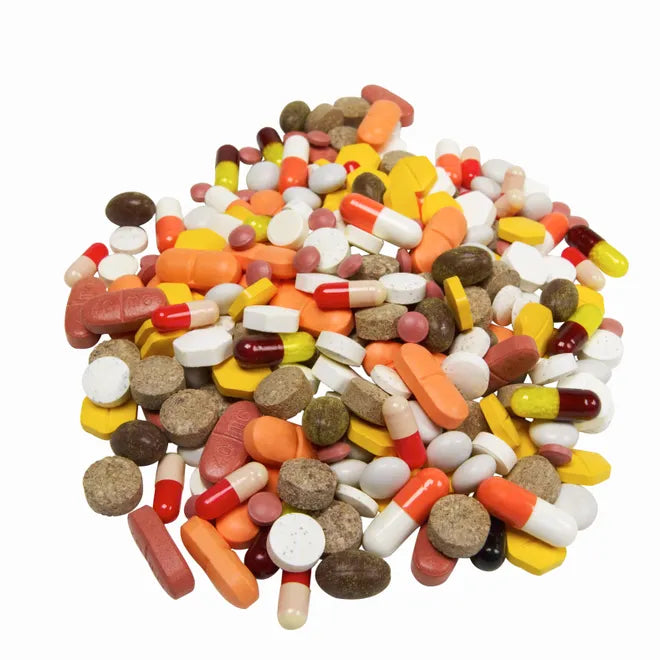
A disaster-ready medicine kit covers three categories: over-the-counter medications for common ailments, a rotating emergency supply of any prescription medications your family relies on, and basic first aid supplies for treating minor injuries. FEMA and Ready.gov guidance recommends every household be able to sustain itself for at least 72 hours without outside help, and medication is just as much a part of that plan as food and water.
What Medications Should Be in an Emergency Kit?
A useful emergency medicine kit is built in layers. Start with the medications you would reach for on any normal sick day, then add anything your household needs to manage an existing health condition.
Over-the-Counter Medications to Stock
These handle the minor illnesses and injuries that are most likely to come up during a disaster or extended power outage:
- Pain relievers, such as ibuprofen or acetaminophen
- Antihistamines for allergic reactions
- Antidiarrheal medication and laxatives
- Antacids for heartburn and upset stomach
- Hydrocortisone cream for skin irritation
Prescription Medications: Plan Ahead With Your Doctor
If you or a family member depends on a prescription medication, talk to your healthcare provider ahead of time about building a small emergency reserve. This matters most for medications where even a short gap in supply is dangerous, including:
- Insulin for diabetics
- Inhalers for asthma
- Blood pressure or heart medications
- Mental health medications
Your provider is the right person to advise on how much of a reserve is appropriate and how to rotate it safely.
Antibiotics: What to Know
Antibiotics treat bacterial infections, not viral ones, and they are not something to stockpile casually. If you are considering keeping a small supply on hand for a genuine emergency, that decision should be made with a healthcare provider who can advise on the right options for your situation and how to use them responsibly.
How to Store Medicine Safely for Long-Term Emergency Prep
Stockpiling medication only helps if it is still usable when you need it. Store your kit correctly and it will hold up far better over time:
- Keep medications in a cool, dark, dry place, away from heat and humidity
- Leave medications in their original packaging so nothing gets mixed up or misidentified
- Check expiration dates periodically, for example twice a year when you rotate the rest of your supplies. Printed expiration dates are conservative estimates. Efficacy can decline somewhat past that date, but many medications remain safe to use, just potentially less potent
- Keep a written list of every medication in the kit along with dosage instructions, so anyone in the household can use it in an emergency
Customizing Your Emergency Medical Kit for Your Family
A generic kit is a starting point, not a finished product. Adjust it for the people who will actually be using it:
- Include pediatric dosages and formulations if you have children
- Add first aid supplies such as bandages, gauze, tape, antiseptic, and a thermometer. If you want a more structured approach to trauma and injury supplies specifically, see our guide to what an IFAK (Individual First Aid Kit) is
- Pack backup eyeglasses if you wear corrective lenses, in case your current pair breaks or you run out of contacts
- Add a printed copy of essential medical records and healthcare provider contact information
- Include medications for any chronic conditions specific to your family
A medicine kit like this is also a natural addition to a broader 72-hour bug out bag. If you're building or reviewing yours, our bug out bag checklist walks through what else belongs alongside it.
Learn Basic First Aid Before You Need It
A well-stocked kit is only as useful as your ability to use it correctly. Taking a basic first aid course, through a community center, the Red Cross, or an online program, builds the skills and confidence to use your supplies effectively when it counts.
Coordinate With Your Community
In a real emergency, no household is fully self-sufficient. Talk with neighbors ahead of time about what medical supplies and skills each of you can bring to the table. Knowing who has first aid training, who has extra supplies, and who may need help can make a real difference when it matters most.
Frequently Asked Questions
How long do medications last in an emergency kit?
Printed expiration dates are conservative estimates. Medications can lose some potency after that date, but they generally do not become unsafe overnight. Check your kit periodically, for example twice a year, and replace anything that is expired or degraded rather than relying on guesswork.
Should I stockpile antibiotics for a disaster?
Antibiotics only work on bacterial infections, not viral ones, and they should not be stockpiled casually. If you want to keep a small supply for a genuine emergency, talk to a healthcare provider about the right choice for your situation and how to use it responsibly.
What over-the-counter medications should I include in a disaster kit?
A solid starting list includes pain relievers like ibuprofen or acetaminophen, antihistamines for allergies, antidiarrheal medication, antacids, and hydrocortisone cream for skin irritation. Build from there based on your family's specific needs.
How should I store emergency medications so they stay effective?
Keep medications in their original packaging in a cool, dark, dry place away from heat and humidity. Keep a written list of everything in the kit with dosage instructions, and check the kit on a regular schedule, such as twice a year.