Baby Emergency Kit Checklist: 10 Essentials Every Parent Needs
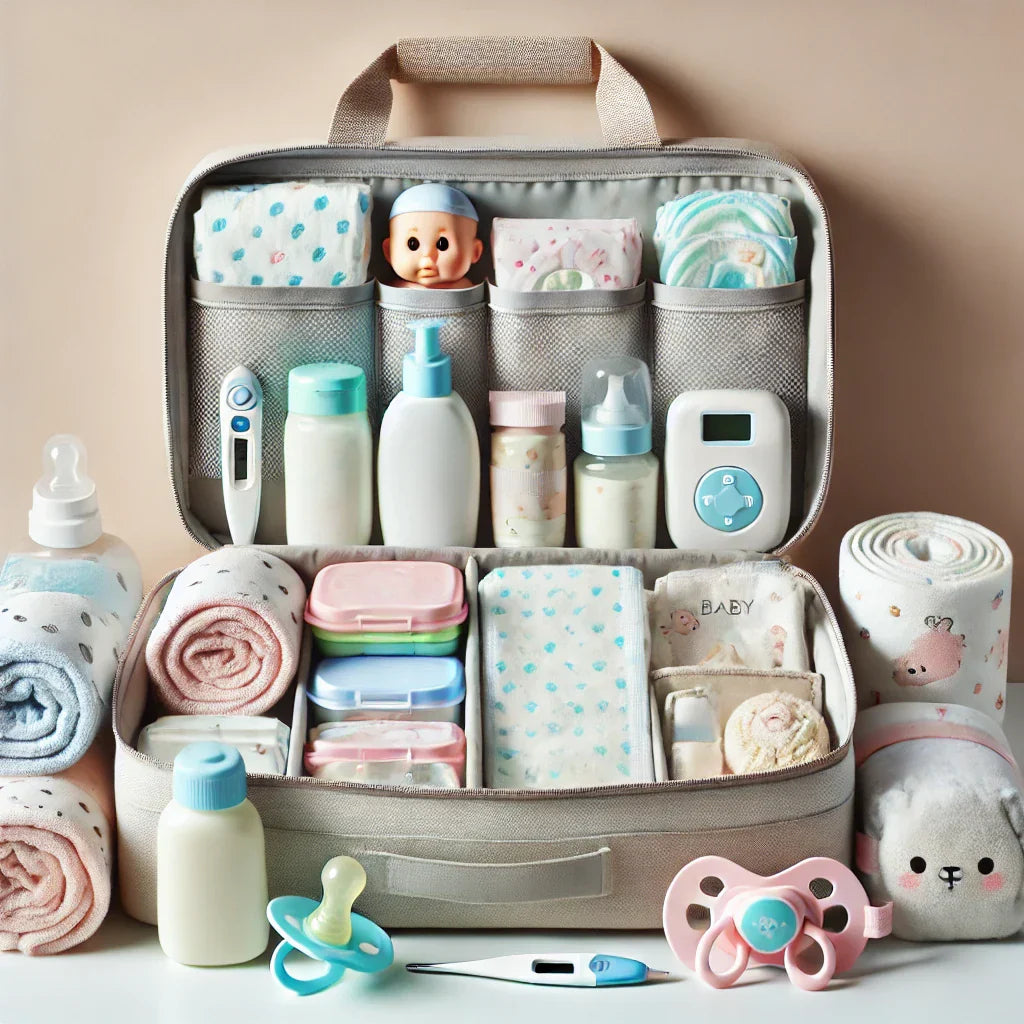
A baby emergency kit should hold at least a 72-hour supply of diapers, formula or breastfeeding backup, weather-appropriate clothing, basic medications and first-aid items, and copies of your baby's medical documents. Building this kit ahead of time means you're not scrambling to gather infant supplies in the middle of a power outage, evacuation, or natural disaster.
Why Babies Need Their Own Emergency Kit
Parents of infants and toddlers face a preparedness challenge adults don't have to think about. A baby can't tell you they're hungry, cold, or in pain, and they depend on you for every basic need. FEMA and Ready.gov guidance recommends households be able to sustain themselves for at least 72 hours without outside help, and a baby's version of that kit looks different from a standard adult bug out bag. It needs to account for fast-changing sizes, feeding schedules, and sanitation.
Below are the 10 essential categories to pack into your baby's emergency kit, followed by answers to the questions parents ask most.
What to Pack in a Baby Emergency Kit: 10 Essential Items
1. Diapers and Wipes
Babies go through diapers quickly, so pack at least a 3-day supply. Don't forget wipes. They're not only for diaper changes, they also help clean hands and surfaces when water isn't available.
2. Formula and Bottles, Even if You Breastfeed
If your baby is formula-fed, pack a supply of ready-to-feed or powdered formula along with clean bottles and nipples. For breastfeeding parents, a manual breast pump and storage bags are worth including in case nursing directly isn't possible.
3. Portable Changing Pad
You never know where you'll need to change a diaper in an emergency. A portable, waterproof changing pad keeps the process cleaner and more comfortable for your baby wherever you are.
4. Clothing and Blankets
Babies can't regulate body temperature as well as adults, so pack weather-appropriate clothing in layers. Include a couple of extra outfits, socks, a hat, and a warm blanket for colder conditions.
5. Medications and Basic First Aid Supplies
Pack any medications your baby takes regularly, along with infant-safe pain relievers, fever reducers, and teething remedies as recommended by your pediatrician. Round it out with basic first-aid items like adhesive bandages, antiseptic wipes, and baby nail scissors for small cuts or scratches.
6. Baby Food and Feeding Utensils
For older infants who eat solids, pack baby food jars or pouches and a set of feeding spoons. Choose shelf-stable options that don't require refrigeration.
7. Pacifiers and Comfort Items
Emergencies are stressful for babies too. Pack their favorite comfort items, such as a pacifier, a lovey, or a small stuffed animal, to help keep them calm.
8. Baby Carrier or Wrap
In situations where a stroller isn't practical, a baby carrier or wrap lets you keep your baby close while keeping both hands free to manage everything else.
9. Sanitation Supplies
Pack baby-safe hand sanitizer, small trash bags for soiled diapers, and travel-sized soap. Keeping things clean is critical to preventing illness, especially in an emergency setting.
10. Identification and Medical Information
Include copies of your baby's birth certificate, immunization records, and any relevant medical information, such as allergies. Keep these documents in a waterproof bag for quick access.
How Often to Rotate and Refresh the Kit
Babies grow fast, so this kit needs more attention than a typical adult emergency bag. Check and rotate supplies at least twice a year, and update clothing sizes, formula, and medications more often if your baby is growing quickly. Anything expired or outgrown should be swapped out immediately, not left for the next check.
Pairing a Baby Kit With Your Family's Emergency Plan
A baby emergency kit works best as one piece of a larger family plan. If you haven't built out supplies for the rest of the household yet, our bug out bag checklist for a 72-hour kit walks through what every adult in the family should have on hand, and our bug out gear collection has packs and supplies to build those kits around.
Frequently Asked Questions
How many diapers should I pack in a baby emergency kit?
Pack at least a 3-day supply of diapers and wipes, sized for your baby's current weight. Check the kit periodically and size up as your baby grows.
Do I need formula in the kit if I'm breastfeeding?
It's worth including a backup supply along with a manual breast pump and storage bags. In an emergency, stress, dehydration, or separation can make nursing directly difficult, so having formula on hand as a backup is a reasonable precaution.
How often should I rotate my baby's emergency kit?
Check and rotate supplies at least twice a year, and more frequently for fast-changing items like clothing sizes, formula, and medications. Replace anything expired or outgrown as soon as you notice it.
What documents should I keep in my baby's emergency kit?
Keep copies of your baby's birth certificate, immunization records, and any medical information such as allergies, stored in a waterproof bag so they're easy to grab and stay protected.