Homesteading Essentials for Preparedness and Self-Sufficiency
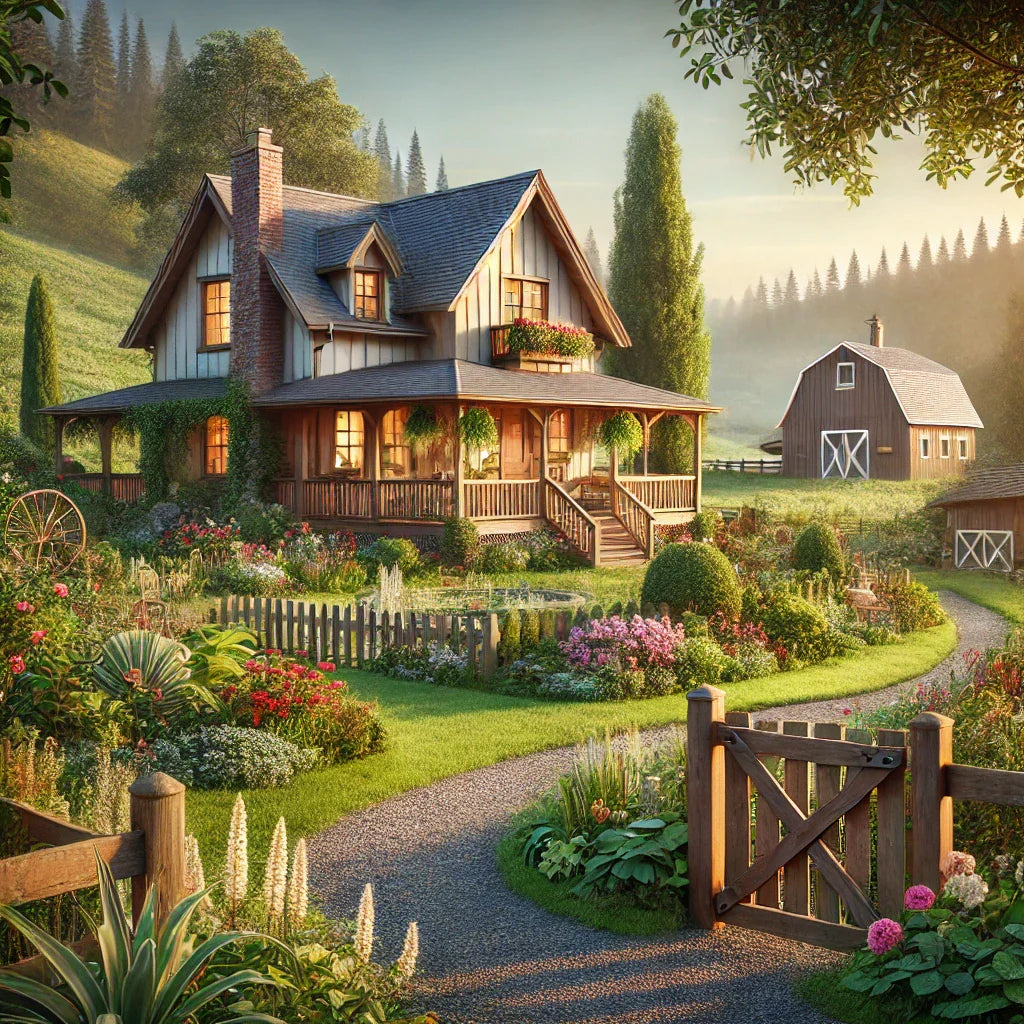
Homesteading essentials for preparedness fall into three categories: season-extending growing space (a greenhouse), a renewable food and pollination system (beekeeping), and space-efficient indoor growing (hydroponics). Together, these three systems reduce how much food and honey you need to buy, extend your growing season, and build long-term self-sufficiency that complements short-term emergency readiness.
Homesteading is a way to take more control of your own resources and build resilience into daily life. Whether you are a seasoned gardener or just starting a self-sufficiency journey, the right tools and systems can turn a backyard into a source of food security rather than just a hobby.
1. Greenhouse Growing: Extend Your Season and Build a Seed Reserve
A 6' x 10' greenhouse with a durable aluminum frame and polycarbonate panels extends your growing window well past a typical outdoor season. Built-in vents help regulate airflow and prevent overheating, which makes it workable for both new and experienced gardeners.
Why it matters for self-sufficiency:
- Extends your growing season so you can produce vegetables, herbs, and flowers for more of the year.
- Gives you a controlled space to start seedlings and protect young plants from weather swings.
- Creates a place to grow and store heirloom seeds, which supports longer-term food planning.
2. Beekeeping for Self-Sufficiency: Honey, Pollination, and Food Security
A 3-layer Langstroth hive with 10 medium and 20 deep frames, plus a stand, is a common starting setup for backyard beekeeping. Beyond producing honey, a healthy hive improves pollination for the rest of your garden, which supports the fruit and vegetable yields your other homesteading systems depend on.
Why it matters for self-sufficiency:
- Produces raw honey at home instead of relying on store-bought products.
- Improves pollination, which can improve yields across your garden and orchard.
- Reduces dependence on outside food sources over time.
Before starting a hive, check your local regulations and research basic seasonal care. Beekeeping is a longer-term commitment, not a set-and-forget system.
3. Hydroponic Growing Systems: Fresh Food Without Soil or a Full Growing Season
A hydroponic system with 108 planting sites across three layers of food-grade PVC pipe lets you grow vegetables and herbs without soil, indoors or outdoors. Because the system does not depend on outdoor growing conditions, it is a practical option for small spaces, urban lots, or homesteads that want food production that is not fully weather-dependent.
Why it matters for self-sufficiency:
- Produces fresh, pesticide-free vegetables and herbs using less water than traditional soil gardening.
- Works in small spaces where an in-ground garden is not practical.
- Pairs well with grow lights for more consistent indoor production during colder months.
Homesteading Is Long-Term Preparedness, Not a Replacement for Short-Term Readiness
Greenhouses, beehives, and hydroponic systems build long-term food self-sufficiency, the kind that takes weeks, months, or years to pay off. That is different from short-term emergency preparedness, which is about getting through the first 72 hours of a disruption before your homestead systems can help you. FEMA and Ready.gov guidance recommends every household be able to sustain itself for at least 72 hours without outside help, which is why most preppers keep a 72-hour kit on hand even if they also homestead.
If you do not already have one built, our bug out bag checklist walks through what to pack, or you can start with a ready-made Complete 72 Hour Fully Loaded Bug Out Bag.
Frequently Asked Questions
What are the most important homesteading essentials for beginners?
For most beginners, a season-extending greenhouse, a starter beehive, and a hydroponic growing system cover the core of homesteading self-sufficiency: extended growing seasons, pollination and honey production, and space-efficient indoor food production.
Does homesteading replace the need for a 72-hour emergency kit?
No. Homesteading builds long-term food self-sufficiency, but it does not replace short-term emergency readiness. FEMA and Ready.gov guidance recommends households be able to sustain themselves for at least 72 hours without outside help, which is what a 72-hour kit or bug out bag is built for.
Do I need a lot of space to start homesteading?
Not necessarily. A 6' x 10' greenhouse and a hydroponic system with a small footprint can both work on modest lots or in urban settings, and beekeeping can also be done in a relatively small backyard space where local regulations allow it.
How often should I check and rotate homesteading and preparedness supplies?
Checking and rotating supplies periodically, commonly twice a year, is standard preparedness advice. It applies to stored seeds and preserved food from your homestead as well as to any emergency kits you keep on hand.