Build vs. Buy: Should You Assemble a Bug Out Bag or Buy One Pre-Made?
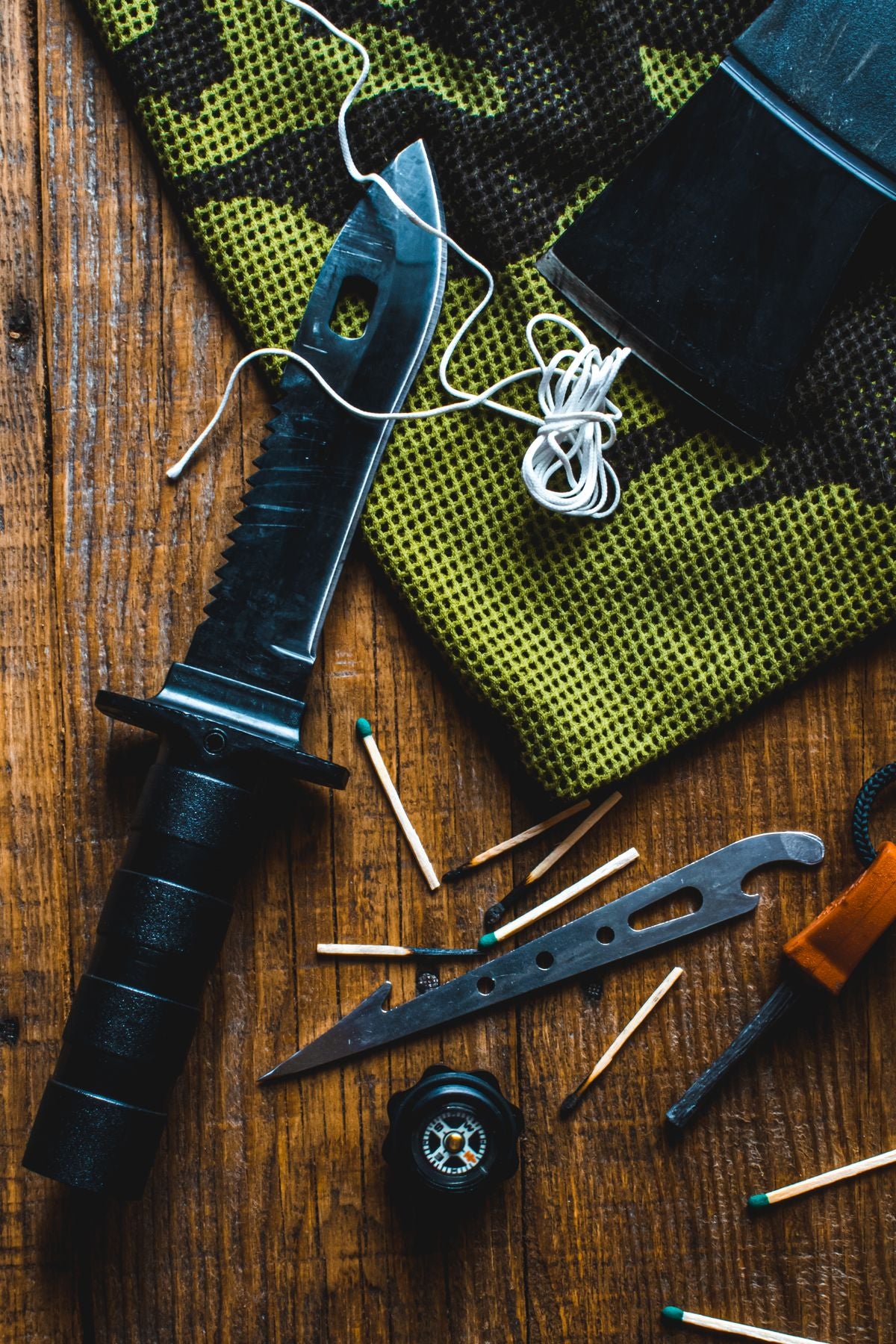
Building your own bug out bag gives you full control and can save money if you already own gear and have time to research — but it commonly leaves dangerous gaps and takes weeks to get right. Buying a pre-made kit is faster and more reliable for most people because the essentials are already curated and packed, though you'll usually still customize it to your needs. If you value time and want to be covered now, buy and customize. If gear-building is a hobby and you enjoy the process, build.
There's no universally "correct" answer — it depends on your time, budget, experience, and how quickly you want to be prepared. Here's the honest breakdown.
Building your own bug out bag
Pros
- Full control over every item, brand, and quality level.
- Tailored to you — climate, medical needs, skill level, family size.
- Can be cheaper if you already own gear or catch sales over time.
- You learn your kit intimately by sourcing and packing it yourself.
Cons
- Time-consuming — researching, ordering, and testing dozens of items takes weeks.
- Easy to leave gaps — most DIY bags miss trauma first aid, water purification redundancy, or shelter.
- Often costs more than expected once you add up individual items and shipping.
- Analysis paralysis — many people start a build and never finish it.
Buying a pre-made bug out bag
Pros
- Ready immediately — prepared in days, not weeks.
- Curated by people who prep — the core categories are already covered, reducing the risk of a critical gap.
- Packed and organized in a proper pack from day one.
- Predictable cost — one price, no surprise add-ons.
Cons
- Less initial personalization — though most kits are meant to be customized.
- Quality varies by seller — cheap kits cut corners, so buy from someone who actually preps.
- You still need to learn your gear — buying a kit isn't a substitute for practicing skills.
The real cost comparison
People assume DIY is always cheaper. In practice, buying quality individual components — a durable pack, a real water filter, an IFAK, emergency food, shelter, fire, and light — often adds up to as much as or more than a curated kit, especially once you factor in shipping from multiple sellers and the items you buy twice because the first didn't work. The bigger hidden cost of DIY is time, and the bigger hidden risk is an incomplete bag you think is ready.
Which should you choose?
| Choose to BUILD if… | Choose to BUY if… |
|---|---|
| You already own a lot of gear | You're starting from nothing |
| Researching gear is a hobby you enjoy | You want to be prepared this week |
| You have very specific/unusual needs | You want a proven baseline to customize |
| You have weeks to iterate and test | You value your time over saving a few dollars |
The best of both: buy, then customize
For most people the smartest move is to start with a complete kit and personalize it — you get covered immediately and still tailor the bag to your climate, family, and skills. Our Complete 72-Hour Bug Out Bag is built and packed by people who actually prep, with first aid, food, water purification, shelter, fire, and light already handled in a durable tactical backpack. It comes in five variants — including no-food options for preppers who rotate their own supplies — so you can start from a proven base and add your personal touches.
Whichever route you pick, make sure your bag hits every category in our complete bug out bag checklist.
Frequently asked questions
Is it cheaper to build or buy a bug out bag?
Building can be cheaper if you already own gear or shop sales patiently. From scratch, though, buying quality components individually often costs as much as a curated kit — and takes far longer.
Are pre-made bug out bags worth it?
A quality pre-made kit from a seller who preps is worth it for most people because it removes the biggest risk in DIY builds: a critical gap you don't notice until you need the bag. Just plan to customize it to your needs.
Can I customize a pre-made bug out bag?
Yes — that's the ideal approach. Start with a complete kit for the reliable baseline, then add personal medications, documents, and any climate- or family-specific items.