72-Hour Bug Out Bag: Why You Need One and What to Pack
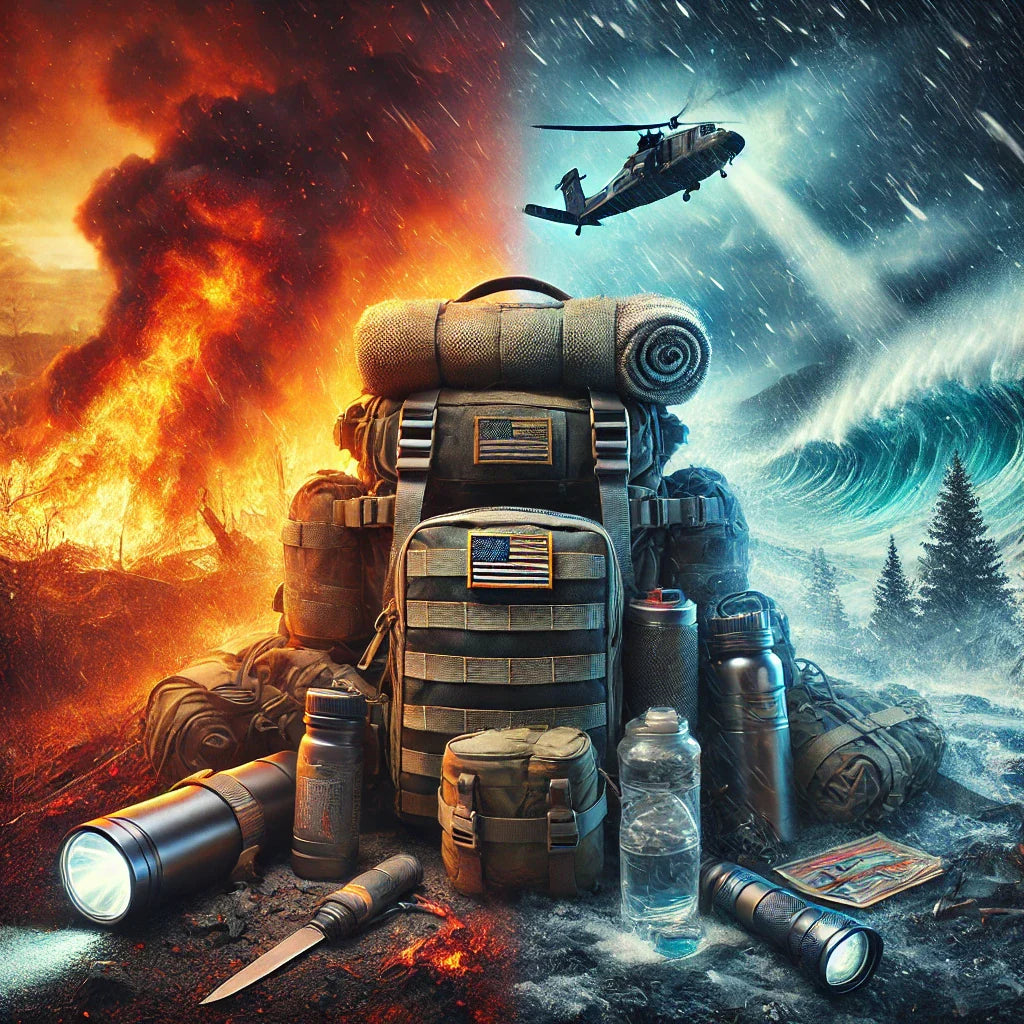
A 72-hour bug out bag is a portable emergency kit packed with food, water, first aid supplies, and basic survival tools, sized to keep one person self-sufficient for three days without outside help. The 72-hour window comes from FEMA and Ready.gov guidance, which recommends households be able to sustain themselves for at least three days after a disaster before help or supplies typically arrive. Keeping a bag packed and staged means you are not scrambling for gear when a storm, wildfire, or evacuation order hits.
What Is a 72-Hour Bug Out Bag, and Why 72 Hours?
A bug out bag is meant to be grabbed and carried, not dug out of a closet piece by piece. The 72-hour timeframe is not arbitrary. It reflects the general guidance from FEMA and Ready.gov that emergency responders may not reach every affected household immediately after a major disaster, so families are advised to be able to cover their own basic needs, food, water, first aid, and shelter, for at least three days on their own.
That guidance shapes how these kits are built. A properly stocked bag covers water (commonly figured at about one gallon per person per day), calorie-dense food that needs no refrigeration, a basic first aid kit, and the tools and shelter items needed to get through 72 hours of disruption.
Situations Where a Bug Out Bag Matters
You cannot predict exactly when or how an emergency will happen, but the categories repeat: severe winter storms that knock out power and block roads, wildfires that trigger fast evacuations, and other events that disrupt utilities, transportation, or access to stores for several days. In any of these, the value of a bug out bag is the same, it removes the scramble. Instead of running through stores for supplies while everyone else has the same idea, you grab a bag that is already packed and ready.
What Should Be in a 72-Hour Bug Out Bag
At a minimum, a solid 72-hour kit should cover five categories:
- Food & water: Enough shelf-stable food and water (or a way to purify it) to sustain one person for up to 72 hours.
- First aid: An IFAK-style first aid kit to treat injuries and prevent infection when medical care is not immediately available.
- Tools: A multi-tool, flashlight, and fire starter to handle basic survival tasks.
- Shelter: An emergency blanket, poncho, or similar item to protect against the elements.
- Hygiene: Basic hygiene supplies to maintain sanitation in a prolonged emergency.
For a full item-by-item breakdown, see our 72-hour bug out bag checklist.
Building Your Own Kit vs Buying One Ready-Made
Some preppers prefer to assemble their own bag piece by piece, choosing every item to match their skill level, climate, and budget. Others prefer a kit that is already built and tested, so there is no guesswork about what is missing. Both approaches are valid, and the right one depends on how much time you want to spend researching and sourcing gear versus having it ready today. If you would rather skip the assembly, our Complete 72 Hour Fully Loaded Bug Out Bag covers all five categories above in one pack, or you can browse the full bug out gear collection to build your own.
Keeping Your Bag Ready
A bug out bag is only useful if it is actually ready when you need it. Check and rotate perishable items like food, water, and any medication periodically, twice a year is a common rule of thumb. Confirm tools still work, batteries have not corroded, and the bag itself is stored somewhere you can grab it quickly.
Frequently Asked Questions
What is a 72-hour bug out bag?
A 72-hour bug out bag is a portable emergency kit stocked with food, water, first aid supplies, and basic survival tools, designed to keep one person self-sufficient for three days during an evacuation or other disaster.
Why is 72 hours the standard timeframe?
FEMA and Ready.gov guidance recommends households be prepared to sustain themselves for at least 72 hours after a disaster, since emergency responders and outside aid may not reach every household immediately.
What should be in a 72-hour bug out bag?
At minimum, a 72-hour bag should include food and water, a first aid kit, basic tools like a flashlight and multi-tool, shelter items such as an emergency blanket, and hygiene supplies.
How often should I check my bug out bag?
Check and rotate perishable items like food, water, and medication periodically, commonly recommended about twice a year, and confirm tools and batteries are still in working condition.