Go Bag vs. Get-Home Bag vs. Bug Out Bag: What's the Difference?
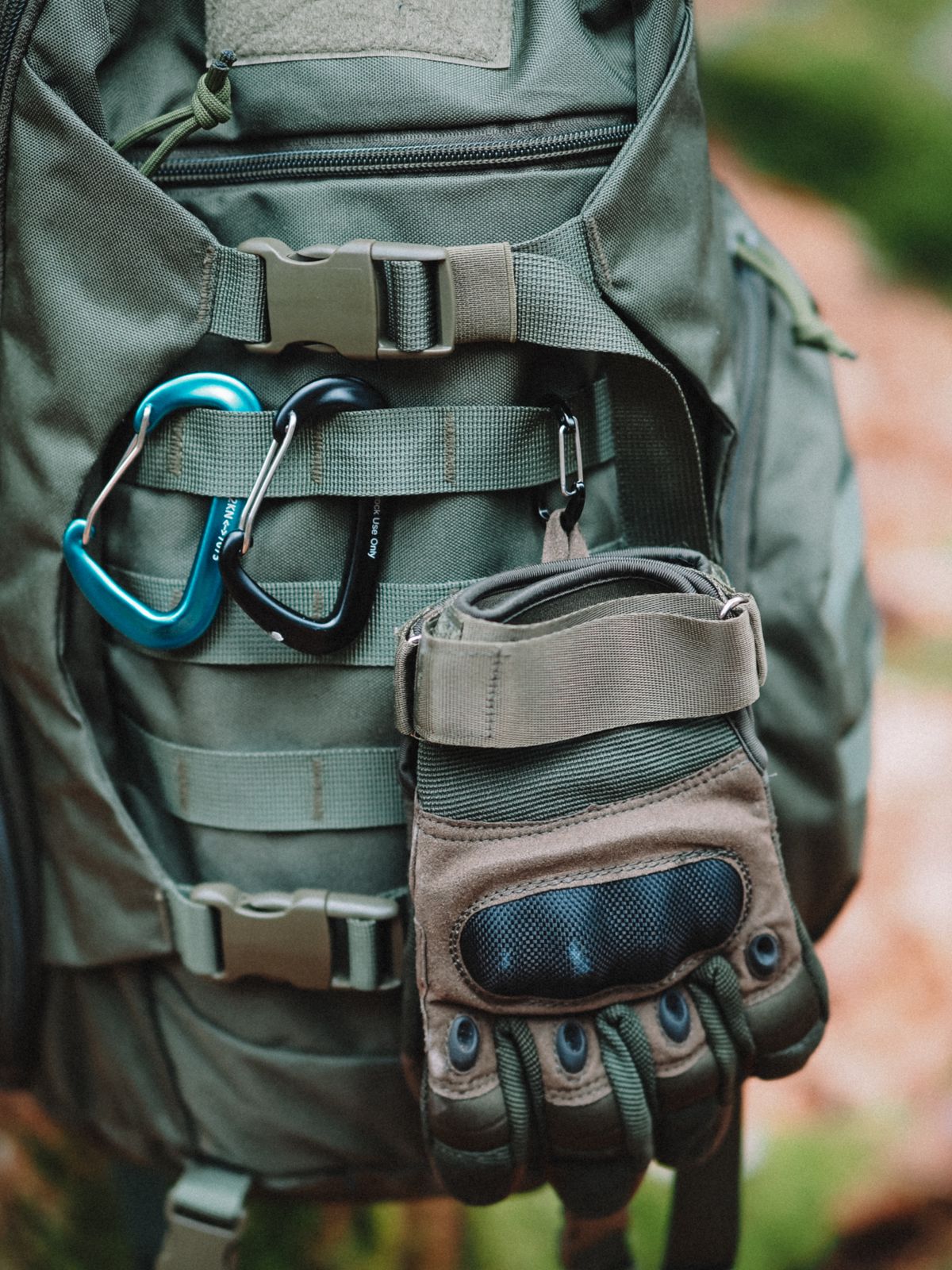
The short version: a bug out bag is a 72-hour kit built to get you away from home during an emergency. A get-home bag is a smaller kit kept in your car or office to get you back home, usually within 24 hours. "Go bag" is a general umbrella term for any grab-and-go emergency bag — people most often use it to mean a bug out bag. The main differences are duration (72 hours vs. one day), where you store them (home vs. vehicle/work), and size.
These three terms get used interchangeably, but they solve different problems. Here's how to tell them apart and decide what you actually need.
Quick comparison table
| Bug Out Bag | Get-Home Bag | Go Bag | |
|---|---|---|---|
| Purpose | Leave home fast and survive away from it | Get from work/car back home | Umbrella term for any grab-and-go bag |
| Duration | 72 hours (3 days) | Up to 24 hours | Varies |
| Where you keep it | Home, by the door or in a closet | Car trunk or office | Anywhere |
| Size / weight | 30–55L, 20–35 lbs | 15–25L, lighter | Varies |
| Focus | Full survival: water, food, shelter, first aid, fire | Mobility: water, snacks, comfortable shoes, basic first aid, navigation | Depends on the user |
What is a bug out bag?
A bug out bag (BOB) is a pre-packed backpack designed to sustain one person for at least 72 hours after evacuating home — wildfire, hurricane, flood, or any event that forces you out with little warning. It's the most comprehensive of the three: water and purification, no-cook food, shelter, an IFAK-level first aid kit, fire, light, and tools. For the full contents, see our complete bug out bag checklist.
What is a get-home bag?
A get-home bag flips the direction: it's kept away from home — in your vehicle or at work — and its only job is to get you back home if you're stranded when something happens. Think a highway shutdown, a transit failure, or a regional emergency while you're at the office. It's lighter and more mobility-focused than a bug out bag: sturdy walking shoes, water, high-calorie snacks, a basic first aid kit, a flashlight, a map, and a phone charger. You might only need it for a few hours, so it's built for one day, not three.
What is a go bag?
"Go bag" is the loosest term of the three. It simply means a bag you can grab and go in an emergency. In everyday use, most people saying "go bag" mean a bug out bag. Emergency-management agencies also use "go bag" for a simpler evacuation kit with documents, medications, cash, and a few days of essentials. If someone hands you a "go bag," ask what's in it — the label doesn't tell you the contents.
Which one do you actually need?
Most people should start with a bug out bag at home — it's the highest-impact kit and covers the widest range of emergencies. Once that's handled, add a get-home bag to your daily-driver vehicle. Together they cover both directions: getting out of your home, and getting back to it.
If you commute far from home, own the get-home bag sooner. If you live in a wildfire, hurricane, or flood zone, the bug out bag is non-negotiable.
Start with a complete kit
Building either bag from scratch takes time and leaves room for gaps. Our Complete 72-Hour Bug Out Bag comes pre-packed with the survival essentials — first aid, food, water purification, shelter, fire, and light — so you have a proven foundation you can keep at home and customize. Deciding between assembling your own and buying ready-made? Read build vs. buy: should you assemble a bug out bag or buy one pre-made?
Frequently asked questions
Is a go bag the same as a bug out bag?
Usually, yes — in common usage "go bag" most often refers to a bug out bag. But "go bag" is a general term, so always confirm the contents and intended duration.
Do I need both a bug out bag and a get-home bag?
Ideally yes. A bug out bag lives at home to get you out; a get-home bag lives in your car or office to get you back. They cover opposite scenarios.
How long should a get-home bag last?
Plan for up to 24 hours — enough to walk home from wherever you typically are during the day, in bad weather if needed.